
When it comes to modern vehicle technology, traction control systems play a vital role in ensuring safety, stability, and performance. One of the most effective innovations in this field is the EDL (Electronic Differential Lock). This system has become increasingly common in passenger cars, SUVs, and light commercial vehicles, offering drivers enhanced control on slippery or uneven surfaces.
But what exactly is an EDL electronic differential lock, how does it work, and what advantages does it offer compared to traditional locking differentials? This article takes a detailed look at the technology, applications, benefits, and maintenance considerations to give you a complete understanding of the system.
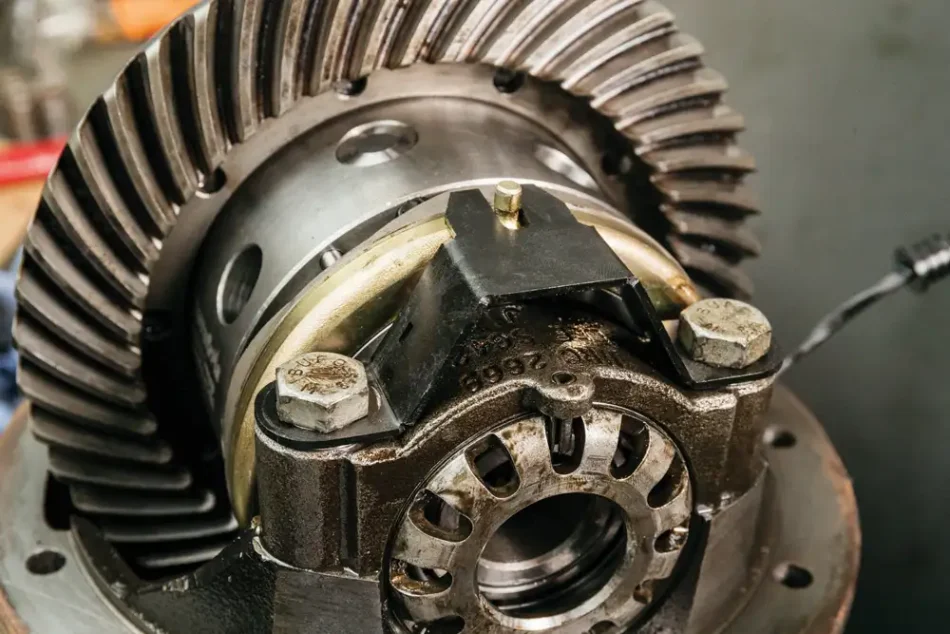
What Is an EDL?
An EDL (Electronic Differential Lock) is a traction control feature integrated into a vehicle’s braking and stability systems. Unlike mechanical locking differentials, which rely on gears, clutches, or hydraulics to lock both drive wheels together, the EDL is entirely electronic. It uses the vehicle’s existing ABS (Anti-lock Braking System) sensors and control units to monitor wheel speed and apply braking force when needed.
In simple terms, when the system detects that one wheel is spinning faster than the other (a common occurrence on ice, mud, gravel, or wet pavement), it applies brake pressure to the slipping wheel. This forces torque to transfer to the wheel with better traction, helping the vehicle maintain forward motion.
This system is not a separate physical differential but a software-controlled function that mimics the effect of a locking differential using the braking system.
How EDL Works in Practice
The EDL system constantly monitors wheel speeds through sensors connected to each wheel. Here’s a step-by-step breakdown of how it operates:
Detection of Slip
The sensors detect if one wheel is spinning significantly faster than the other. For example, if your right wheel is on ice and your left wheel is on asphalt, the system recognizes the imbalance.Brake Intervention
The system automatically applies braking pressure to the slipping wheel, even if the driver does not touch the brake pedal.Torque Redistribution
As the slipping wheel is slowed, torque is redirected to the wheel with more grip, allowing the vehicle to move forward.Continuous Monitoring
The system continuously monitors conditions and adjusts braking pressure in real time, ensuring stability and traction.
This process is nearly seamless and happens in fractions of a second, often without the driver noticing any abrupt intervention.
EDL vs. Mechanical Locking Differentials
To understand the significance of EDL, it’s useful to compare it with traditional mechanical differential locks.
| Feature | EDL Electronic Differential Lock | Mechanical Locking Differential |
|---|---|---|
|
Mechanism |
Uses ABS sensors and brakes to manage traction |
Physically locks both wheels on an axle together |
|
Activation |
Automatic, requires no driver input |
Manual or automatic engagement (mechanical or electronic) |
|
Cost & Complexity |
Low-cost, uses existing ABS components |
Higher cost, requires dedicated hardware |
|
Durability |
Less wear since no additional gears are used |
Very durable for off-road, but adds mechanical stress |
|
Best Use Case |
Everyday driving, slippery roads, mild off-road |
Extreme off-road, heavy towing, or racing applications |
The key takeaway is that EDL is ideal for everyday vehicles, providing traction benefits without requiring additional parts or complex driver controls. Mechanical lockers, while stronger for extreme conditions, are not practical for most drivers.
Advantages of an EDL Electronic Differential Lock
EDL systems offer multiple benefits, especially for drivers who frequently encounter varying road conditions.
1. Enhanced Safety
By preventing uncontrolled wheelspin, EDL ensures that the vehicle remains stable during acceleration, reducing the risk of skidding or losing control on slippery roads. This makes it particularly valuable for families, commuters, and anyone who drives in regions with unpredictable weather.
2. Automatic Operation
Unlike traditional lockers, EDL requires no manual input. Drivers don’t need to press a button or engage a lever — the system activates automatically when slip is detected. This hands-free operation improves convenience while also making the feature more effective in sudden situations where quick traction is needed.
3. Cost-Effective Technology
Since EDL leverages the vehicle’s existing ABS and stability control hardware, it avoids the high expense of installing a mechanical locking differential. This makes it accessible across a wider range of vehicle models, even in budget-friendly passenger cars.
4. Improved Fuel Efficiency
Although EDL involves braking intervention, it only engages for short durations under low-traction conditions. This makes it significantly more fuel-efficient compared to mechanical solutions that may cause constant drag or resistance. For drivers concerned about both safety and efficiency, EDL strikes an excellent balance.
5. Versatility Across Driving Conditions
From icy highways in winter to muddy backroads after heavy rain, EDL adapts quickly to various environments. It provides reliable performance not only on smooth asphalt but also on gravel, wet pavement, and uneven surfaces. For occasional off-road trips, it offers enough traction without requiring heavy-duty equipment.
6. Minimal Wear on Drivetrain
Mechanical lockers can create additional stress on gears and axles, especially when engaged on high-traction surfaces. EDL, on the other hand, reduces this strain by relying on brake-based intervention rather than gear locking. This helps prolong the life of the drivetrain and reduces long-term maintenance costs.
7. Seamless Integration with Modern Systems
EDL is not a standalone technology but part of a broader vehicle safety ecosystem that includes ABS, traction control, and electronic stability programs. This integration ensures that the system works harmoniously with other features to deliver a smoother and safer driving experience.
8. Peace of Mind for Everyday Drivers
Perhaps the most underrated advantage is the confidence it gives drivers. Knowing that your vehicle can automatically handle wheel slip during sudden rain, snow, or icy conditions allows for more relaxed and safer driving.
Common Applications of EDL
EDL electronic differential locks are most commonly found in:
- Passenger cars: Many modern sedans and hatchbacks use EDL as part of their electronic stability control system.
- SUVs and crossovers: These vehicles often face mixed road conditions, making EDL a practical addition for all-weather traction.
- Light commercial vehicles: Delivery vans and small trucks benefit from EDL, especially when operating in urban areas with changing road surfaces.
- Entry-level off-road vehicles: Some SUVs equipped with all-wheel-drive systems use EDL to supplement traction in mild off-road scenarios.
While not a replacement for a full mechanical locker, EDL provides sufficient traction for most daily driving conditions.
Limitations of EDL
Despite its advantages, the EDL system has limitations that drivers should be aware of:
Not designed for extreme off-road: In deep mud, sand, or rock crawling, mechanical lockers outperform EDL.
Brake wear: Because the system relies on braking intervention, frequent use in harsh conditions may increase brake pad wear.
Heat buildup: Continuous engagement can cause brake overheating, especially if used extensively off-road.
Less effective at high speeds: The system is primarily designed for low to medium-speed traction issues, not high-performance driving.
For drivers who demand maximum off-road capability, a mechanical or electronic locker dedicated to off-road use may be more suitable.
Maintenance and Care
EDL systems require little direct maintenance since they are part of the vehicle’s electronic stability program. However, certain practices help ensure reliability:
- Regular brake inspections: Since EDL depends on brake function, worn pads or rotors can reduce effectiveness.
- Check ABS sensors: Faulty sensors can cause EDL malfunction, so regular diagnostics are important.
- Software updates: Vehicle manufacturers occasionally release updates to traction control systems, which can optimize EDL performance.
- Avoid excessive slip situations: If possible, avoid conditions where wheels spin freely for extended periods, as this increases wear.
Conclusion
The EDL electronic differential lock is a prime example of how modern automotive engineering combines safety, convenience, and cost-effectiveness. By using existing ABS components to deliver improved traction, it gives drivers peace of mind in everyday conditions without requiring expensive hardware upgrades.
While it may not replace heavy-duty mechanical lockers for extreme off-road use, EDL remains an essential feature in many modern vehicles, striking the perfect balance between efficiency and functionality. For most drivers, it is more than just a technical feature — it is a safeguard that enhances both performance and safety on the road.
If you are looking for a reliable EDL electronic differential lock, feel free to contact us. We provide high-quality, cost-effective EDL solutions tailored to your needs, backed by professional service and dependable support.
