
When it comes to improving traction and vehicle control in off-road conditions, few upgrades are as impactful as a differential locker. By preventing the loss of power through a spinning wheel, lockers give drivers the confidence to tackle uneven trails, mud, snow, or rocky terrain. Among the different types of lockers available today, the lunchbox locker has gained a reputation as one of the most budget-friendly and practical options.
But what exactly is a lunchbox locker, how does it work, and how does it compare to other locking differentials such as air lockers or electronic lockers? This article breaks down the essentials, so you can determine whether a lunchbox locker is the right choice for your vehicle.
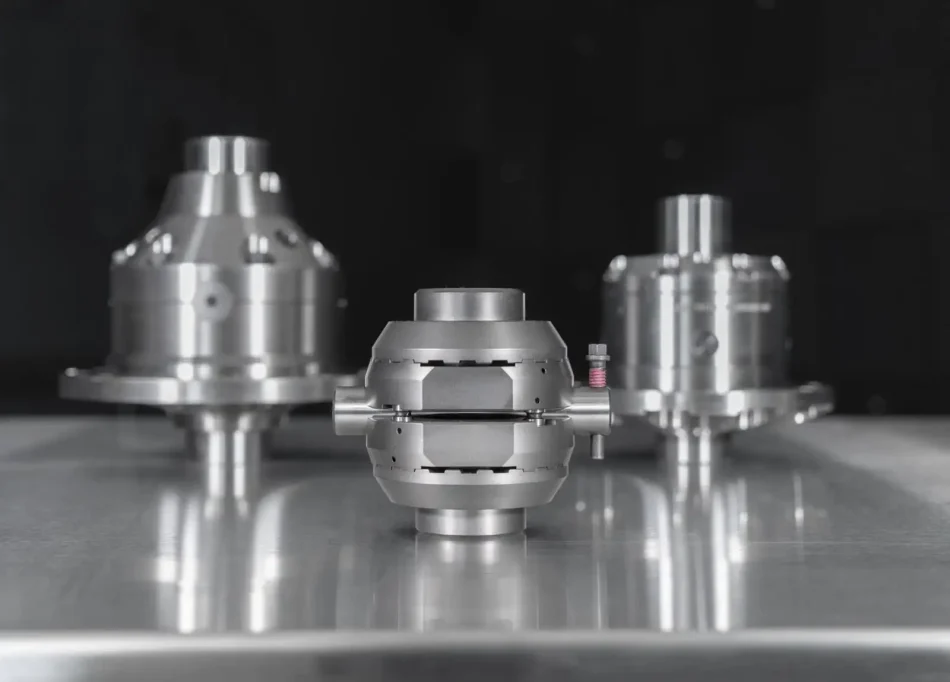
What Is a Lunchbox Locker?
A lunchbox locker, sometimes called an “automatic drop-in locker,” is a differential upgrade designed to improve traction without requiring a full replacement of the differential carrier. It consists of a set of gears and springs that are installed inside the existing carrier, essentially replacing the stock spider gears.
Unlike more complex lockers, a lunchbox locker does not require replacing the entire differential assembly. This simplicity makes it affordable, accessible to DIY mechanics, and attractive for drivers who want better off-road performance without a major investment.
The nickname “lunchbox locker” comes from the fact that the components often come packaged in a small box, similar in size to a lunchbox.
How Does a Lunchbox Locker Work?
At its core, the lunchbox locker uses a ratcheting mechanism to automatically lock the axle shafts together under certain conditions.
- Straight-line driving: When both wheels are rotating at the same speed, the locker engages fully, distributing power evenly across both wheels. This ensures maximum traction, especially when one wheel is on a slippery surface.
- Turning: As the vehicle enters a corner, the locker allows one wheel to rotate faster than the other by momentarily disengaging. This is accomplished by the internal gears and springs, which permit differential action when needed.
- Variable surfaces: On loose gravel, mud, or snow, the locker prevents excessive wheel spin by keeping torque balanced between both wheels.
The automatic engagement and disengagement make lunchbox lockers effective in diverse driving situations, though they are not as seamless as selectable lockers.
Advantages of a Lunchbox Locker
- Affordability – One of the most cost-effective locker options on the market.
- Simplified installation – Can be installed without replacing the differential carrier, making it appealing for DIY enthusiasts.
- Significant traction gains – Provides a noticeable improvement in off-road capability compared to an open differential.
- Durability – With fewer complex components than air or electronic lockers, lunchbox lockers are mechanically straightforward and built to last.
- Low maintenance – They require little upkeep once properly installed.
Drawbacks and Limitations
- Road manners – Drivers often notice clicking noises, vibrations, or a jerky feel when turning, particularly on pavement.
- Less refined than selectable lockers – Engagement is automatic, which means you have no control over when the locker engages or disengages.
- Not ideal for extreme off-roaders – While durable, lunchbox lockers may not handle the same stress levels as heavy-duty selectable lockers in extreme rock crawling or competition use.
- Possible drivetrain stress – Under harsh driving, the constant engagement and disengagement may contribute to wear on axle components over time.
Lunchbox Locker vs. Other Types of Lockers
Differential lockers come in several variations, and understanding how a lunchbox locker compares to other types is essential before making a decision.
Lunchbox Locker vs. Limited Slip Differential (LSD)
- LSD allows some slip between wheels but improves traction compared to an open differential.
- Lunchbox lockers provide full locking when needed, making them superior for off-road traction.
- However, LSDs generally offer smoother handling on pavement, which makes them a better option for daily drivers who only occasionally venture off-road.
Lunchbox Locker vs. Full Automatic Lockers
- Full automatic lockers replace the entire differential carrier, offering robust strength and reliability.
- Lunchbox lockers, being a drop-in solution, are cheaper and easier to install but may not be as strong as full-carrier replacements.
- Both share the trait of automatic engagement, so road manners can feel similar.
Lunchbox Locker vs. Selectable Lockers (Air Lockers and Electronic Lockers)
This is where the comparison becomes most critical.
Air Locker
- Uses compressed air to engage or disengage the locking mechanism.
- Provides complete control: unlocked for smooth driving on pavement, locked for maximum traction off-road.
- Installation requires an air compressor and additional hardware, making it more complex and expensive.
- Generally considered the gold standard for off-road performance.
Electronic Locker (E-locker)
- Operated by a switch in the cabin, powered by an electronic actuator.
- Similar benefits to air lockers, but easier to install since no compressor is required.
- Typically more expensive than lunchbox lockers, but highly convenient for drivers who want control at their fingertips.
Lunchbox Locker
- Much cheaper than selectable lockers.
- Easier to install, no wiring or air compressor required.
- However, it lacks manual control—drivers must accept the quirks of automatic engagement.
- Best suited for budget-conscious off-roaders or those who want a reliable traction boost without major modifications.
Summary of the Comparison
- If cost and ease of installation are your top concerns, the lunchbox locker wins.
- If performance and driver control matter most, selectable lockers (air or electronic) are the superior choice.
Installation Process
Installing a lunchbox locker is often considered a moderate DIY project, but it requires mechanical know-how.
- Disassemble the differential cover – Drain the gear oil and remove the cover to access the carrier.
- Remove spider gears – The factory spider gears are taken out to make space for the locker components.
- Install the locker gears and springs – Carefully align and insert the new components.
- Check tolerances – Proper clearances and backlash must be verified to prevent premature wear.
- Reassemble and refill oil – The differential cover is sealed back on and filled with fresh gear oil.
While many enthusiasts tackle this themselves, those unfamiliar with drivetrain components may prefer professional installation to ensure longevity and reliability.
Common Misconceptions About Lunchbox Lockers
“They always damage the drivetrain.”
While they can add stress to axles and shafts, proper installation and moderate driving prevent most issues.
“They make daily driving unbearable.”
Though they produce some noise and jerkiness, many drivers find them manageable, especially when off-road benefits are factored in.
“They are outdated compared to modern lockers.”
Lunchbox lockers remain popular because of their affordability and effectiveness. They continue to be a go-to option for budget-conscious enthusiasts.
Conclusion
A lunchbox locker strikes a balance between performance and affordability. By offering significantly better traction than an open differential without the high costs of selectable lockers, it provides an excellent entry point for off-road enthusiasts.
While it may lack the refinement and driver control of air lockers or electronic lockers, its simple installation and budget-friendly price make it a practical solution for many drivers. For those who want improved off-road performance without breaking the bank, a lunchbox locker remains a smart and proven choice.
