
Driving in rainy conditions can be tricky due to slippery roads, which reduce tire grip and increase the risk of skidding. A limited slip differential (LSD) is designed to improve traction and control in such situations. Unlike a standard open differential, which can allow one wheel to spin freely if it loses traction, an LSD helps distribute power more evenly between both wheels.
Challenges of Driving with an Open Differential in Rain
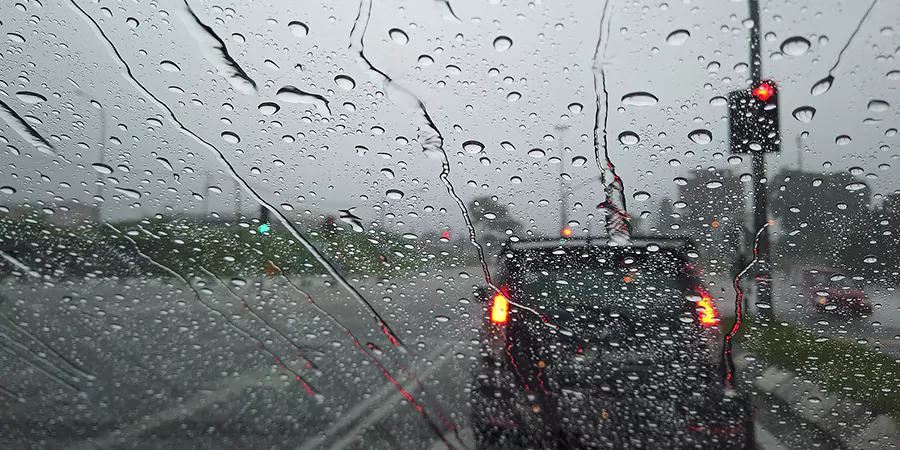
Imagine driving with a standard open differential during heavy rain. As you approach a corner, you apply gentle braking and begin to turn. The road surface is slick with rainwater, causing one of your wheels to lose traction momentarily. With an open differential, the wheel with less grip will receive most of the torque, potentially causing it to spin freely. This results in uneven power distribution and can lead to the vehicle sliding or skidding, especially if you need to accelerate out of the corner.
Furthermore, on a straight road with uneven wet patches, an open differential may struggle to maintain traction evenly between both wheels. This uneven traction distribution can make it challenging to accelerate smoothly, as the wheel with less grip will spin more easily while the other struggles to maintain forward momentum.
How LSDs Work in Rain
In rain, LSDs prevent one wheel from spinning excessively by transferring torque to the wheel with better traction. This helps maintain forward momentum and stability, making it easier to accelerate smoothly and navigate corners without losing control. By keeping both wheels engaged, LSDs improve grip and reduce the chances of slipping or sliding on wet surfaces.
Benefits in Rainy Conditions
The primary benefit of LSDs in rain is improved vehicle stability and control. By preventing wheel spin and ensuring balanced power delivery, LSD-equipped vehicles can navigate wet roads more effectively. This enhances driver confidence and reduces the likelihood of accidents caused by loss of traction during acceleration or maneuvers.
Conclusion
In conclusion, a limited slip differential significantly improves vehicle performance in rainy weather by enhancing traction and stability. By effectively distributing power between both wheels, LSDs help drivers maintain control and maneuverability on slick surfaces. Whether driving in urban areas or rural settings during rainy weather, LSDs contribute to a safer and more reliable driving experience by ensuring consistent grip and minimizing the impact of adverse road conditions. Understanding the role of LSDs underscores their importance in enhancing driving dynamics and safety in inclement weather.
