
The BMW E30 remains one of the most respected chassis in automotive history, known for its balance, simplicity, and driver-focused engineering. Whether used for daily driving, restoration, or motorsport builds, one component plays a critical role in unlocking its full potential: the limited slip differential (LSD).
A BMW E30 limited slip differential is not just a performance upgrade—it fundamentally changes how the car delivers power, handles corners, and maintains traction. This guide explores everything you need to understand, from how LSDs work to choosing the right ratio and maintaining long-term reliability.
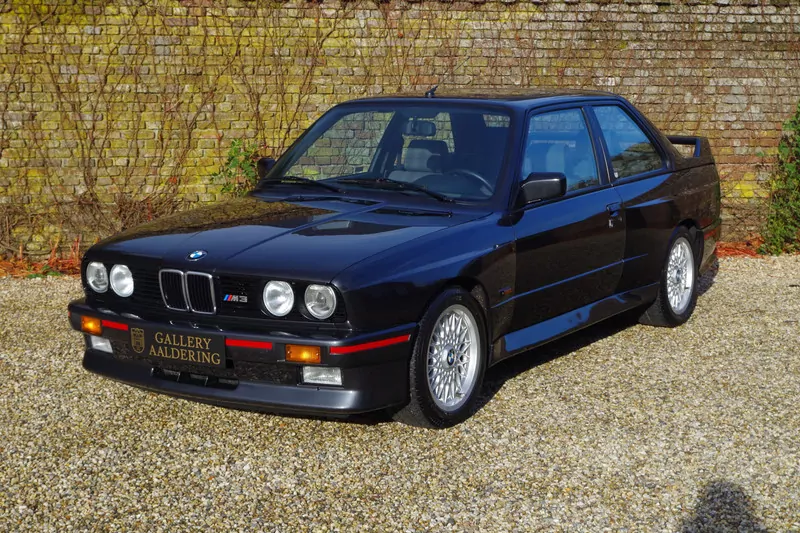
What is a BMW E30 Limited Slip Differential?
A limited slip differential is designed to distribute torque between the rear wheels while preventing excessive wheel spin. In a standard open differential, power is sent to the wheel with the least resistance. This often results in one wheel spinning while the other remains stationary—especially under hard acceleration or low-traction conditions.
An LSD solves this problem by limiting the speed difference between the wheels. In a BMW E30, this translates to:
- Improved traction during acceleration
- Greater stability when exiting corners
- More predictable handling under load
For performance driving, especially on track or during spirited road use, an LSD is considered essential rather than optional.
How BMW E30 Limited Slip Differentials Work
BMW E30 limited slip differentials primarily rely on two proven mechanisms: clutch-type (mechanical LSD) and Torsen (helical gear LSD). While both aim to improve traction by distributing torque between the rear wheels, they achieve this through fundamentally different engineering approaches.
Clutch-Type (Mechanical LSD)
The traditional OEM solution for the E30 is the clutch-type LSD. It uses a series of friction plates that engage when a speed difference between the wheels is detected. As torque is applied, internal pressure forces the clutch packs together, limiting slip and redistributing torque.
Key characteristics:
- Strong and predictable locking behavior
- Adjustable lock-up (depending on design)
- Proven reliability in motorsport applications
- Requires periodic maintenance due to clutch wear
Clutch-type LSDs are especially effective in situations where consistent lock-up is required, such as drifting or aggressive track driving.
Torsen (Helical Gear LSD)
Torsen differentials operate without clutch packs or friction materials. Instead, they use a network of helical gears to automatically distribute torque based on resistance at each wheel.
Key characteristics:
- Instant and seamless torque transfer
- No wearable friction components
- Minimal maintenance requirements
- Smooth engagement ideal for street and performance driving
Because torque distribution is continuous and adaptive, Torsen LSDs provide a more refined and predictable driving experience, particularly during cornering and variable traction conditions.
Clutch-Type vs Torsen LSD: Key Differences
| Feature | Clutch-Type LSD | Torsen LSD |
|---|---|---|
|
Torque Transfer |
Based on friction lock-up |
Gear-driven, automatic |
|
Response |
Reactive (engages after slip) |
Proactive (responds instantly) |
|
Maintenance |
Requires clutch servicing |
Minimal maintenance |
|
Driving Feel |
Aggressive, mechanical |
Smooth, progressive |
|
Best Use Case |
Drift, racing, high load |
Street, track balance, daily performance |
Which One is Better for an E30?
There is no universal answer, but the choice depends heavily on usage:
- If you prioritize predictable lock and aggressive control, clutch-type LSD remains a strong option.
- If you want low maintenance, smoother engagement, and consistent real-world performance, Torsen LSDs are increasingly preferred in modern builds.
For most mixed-use E30 applications—especially where drivability and longevity matter—Torsen designs offer a more balanced and refined solution without sacrificing performance.
Choosing the Right LSD for Your BMW E30
Selecting the right limited slip differential for your E30 is not just about choosing a product—it is about building a drivetrain system that matches your driving goals, engine setup, and real-world usage conditions.
A well-matched LSD improves not only traction, but also overall vehicle balance and driver confidence.
Step 1: Define Your Driving Purpose
Before choosing an LSD, clearly identify how the car will be used:
- Daily Driving / Street Use
Prioritize smooth engagement and low maintenance. A Torsen LSD with a moderate ratio (e.g., 3.15–3.73) provides excellent drivability without harsh behavior. - Spirited Driving / Canyon Runs
Balance is key. A slightly shorter ratio (3.73) combined with either a mild clutch LSD or Torsen unit enhances responsiveness without compromising control. - Track Use / Performance Builds
Higher ratios (e.g., 4.10) combined with strong torque transfer characteristics are preferred. Both clutch-type and Torsen LSDs can work, but setup precision becomes critical. - Drifting Applications
Clutch-type LSDs are typically favored due to their consistent lock-up behavior under throttle.
Step 2: Choose the Right Differential Ratio
The LSD type and ratio must work together. Many E30 owners make the mistake of selecting them independently.
If you are unsure about ratio selection, it is useful to reference broader BMW ratio behavior patterns. For example, this detailed guide on E46 setups provides a helpful baseline for understanding how ratios affect acceleration and drivability:

BMW E46 Differential Ratio Guide: Everything You Need to Know
This comprehensive guide dives deep into everything you need to know about the BMW E46 differential ratios, with a special focus on the popular 3.45 ratio. We’ll cover stock ratios, compatibility, upgrade options, and how to choose the best setup for your driving goals.
While E30 and E46 differ in weight and power delivery, the underlying principles remain consistent.
Step 3: OEM vs Aftermarket LSD
OEM LSDs:
- Designed for factory driving conditions
- Reliable but often aged or worn
- Limited performance tuning options
Aftermarket LSDs:
- Improved materials and durability
- Optimized torque bias or lock-up characteristics
- Available in both clutch-type and helical (Torsen-style) designs
For most modern E30 builds, aftermarket solutions provide better long-term value, especially when performance upgrades are involved.
Step 4: Compatibility and Fitment
Always verify:
- Differential case type (small vs medium case)
- Output shaft compatibility
- Gear ratio matching with transmission
- Intended tire size and final drive behavior
Ignoring compatibility often leads to poor performance or installation issues.
Step 5: Budget vs Long-Term Value
While cheaper LSD options may seem attractive, they often compromise on:
- Material quality
- Heat resistance
- Consistency under load
Investing in a high-quality LSD reduces long-term maintenance costs and ensures stable performance over time.
Key Takeaway
The best BMW E30 limited slip differential is not defined by brand or type alone—it is defined by how well it integrates with your entire drivetrain setup.
A carefully selected LSD delivers not only better traction, but also a more connected and confidence-inspiring driving experience.
BMW E30 Limited Slip Differential Setup and Performance Optimization
A limited slip differential is only as good as its setup. Even the highest-quality unit can underperform or fail prematurely if installation and maintenance are not handled correctly.
Proper Installation Fundamentals
Proper installation is critical to ensure a BMW E30 limited slip differential performs reliably under load. The process should focus on three key areas:
- Backlash Adjustment
Backlash must be set within precise tolerances to ensure proper gear meshing. These specifications are typically provided in the differential’s technical documentation or installation manual. If such data is not available, it is strongly recommended to consult the supplier or manufacturer for accurate values. Excessive backlash can lead to gear noise and impact loading, while insufficient backlash may cause overheating and accelerated wear. - Gear Contact Pattern
Using marking compound to check the contact pattern ensures that load is evenly distributed across the gear teeth. An incorrect pattern can create localized stress, leading to premature failure. - Torque Specifications
All bolts and fasteners must be tightened according to manufacturer specifications. Incorrect torque can result in component loosening or distortion under high torque conditions.
Accurate measurement and attention to detail during installation directly determine long-term durability and performance consistency.
Lubrication and Fluid Selection
Proper lubrication is essential for maintaining the performance and lifespan of a BMW E30 limited slip differential. The choice of gear oil directly affects heat management, wear resistance, and locking behavior.
- Correct Oil Type
Clutch-type LSDs typically require gear oil with friction modifiers to ensure smooth engagement and prevent chatter. Torsen differentials, on the other hand, generally use high-quality standard gear oil without additives. - Manufacturer Recommendations
Always follow specifications provided in technical documentation. If unavailable, consult your supplier to confirm the correct oil grade and additive requirements. - Oil Degradation
Over time, heat and mechanical stress break down lubrication properties, reducing protection and efficiency.
Using the wrong fluid or neglecting oil condition can significantly shorten differential lifespan and compromise performance.
Maintenance Best Practices
Consistent maintenance is key to ensuring long-term reliability and stable performance of an E30 LSD.
- Regular Fluid Changes
Differential oil should be replaced approximately every 20,000–30,000 miles, depending on driving conditions and load intensity. - Visual Inspections
Check for oil leaks around seals and housing. Even minor leaks can lead to lubrication loss and internal damage. - Performance Monitoring
Pay attention to changes in traction behavior, unusual vibrations, or new noises during acceleration and deceleration. - Preventive Checks
Periodically inspect mounting points, bearings, and surrounding components to ensure overall drivetrain stability.
A proactive maintenance approach reduces the risk of unexpected failure and maintains consistent torque transfer.
Common Issues and Diagnosis
When issues arise, a structured diagnostic approach helps identify the root cause efficiently.
- Noise Identification
Whining often indicates gear misalignment or backlash issues, while clunking may suggest excessive clearance or worn components. - Operating Conditions
Determine when the issue occurs—under acceleration, deceleration, or cornering—as this provides critical clues. - Traction Behavior
Reduced locking effect or inconsistent traction may indicate internal wear or lubrication problems. - Fluid Inspection
Contaminated or degraded oil often signals internal wear or overheating.
By systematically analyzing symptoms rather than guessing, you can avoid unnecessary repairs and focus on the actual issue.Lorem ipsum dolor sit amet, consectetur adipiscing elit. Ut elit tellus, luctus nec ullamcorper mattis, pulvinar dapibus leo.
When to Repair or Replace
Deciding between repair and replacement depends on the severity of the issue and overall component condition.
- Minor Issues
Problems such as noise caused by incorrect lubrication or slight misadjustment can often be resolved through fluid replacement or recalibration. - Moderate Wear
Worn clutch packs or bearings may require partial rebuilding, depending on availability of components and cost-effectiveness. - Severe Damage
Extensive gear wear, cracking, or repeated failure typically justifies full replacement rather than repair. - Cost vs Reliability
In many cases, replacing the differential with a high-quality unit provides better long-term value than repeated repairs.
A clear assessment of condition and usage requirements ensures the most practical and reliable solution.
Conclusion
A BMW E30 limited slip differential is one of the most impactful upgrades you can make. From understanding gear ratios to selecting the right LSD type and maintaining it properly, every decision directly affects performance and reliability. With the right setup, the E30 delivers a driving experience that remains unmatched even decades later.
For factory-grade LSD solutions and performance upgrades, XJXParts supplies high-quality differentials directly from our manufacturing facility. If you are sourcing E30 LSD units or need technical support, feel free to contact us here!
