
What Is a Differential and How Does It Work?
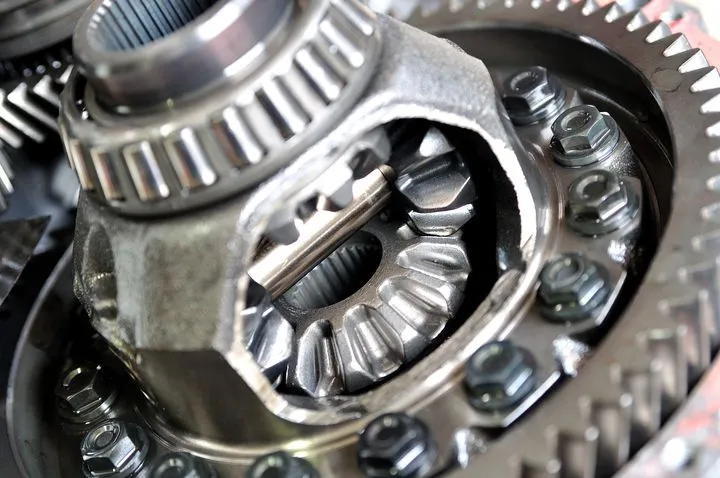
A differential is a mechanical device mounted in the drivetrain that allows wheels on the same axle to rotate at different speeds. This function is vital because when a vehicle turns, the inside wheel travels a shorter distance than the outside wheel. Without a differential, both wheels would be forced to spin at the same speed, causing binding in the drivetrain, tire scrubbing, and excess stress on components.
In most vehicles, the differential is housed inside the axle assembly. In front-wheel-drive cars, the differential is integrated with the transmission in a transaxle. In rear-wheel-drive vehicles, it typically sits at the rear of the driveshaft. All-wheel-drive and 4WD vehicles may have multiple differentials: front, center, and rear.
The typical differential consists of a ring gear and pinion gear, spider gears, side gears, and bearings—all submerged in gear oil to reduce friction and wear.
Why Differential Maintenance Matters
Differential maintenance directly impacts drivetrain health, vehicle handling, and overall reliability. Here are several reasons why regular attention to your differential is essential:
Ensures Proper Lubrication
Differential components operate under high stress and generate significant heat. Proper lubrication with high-quality gear oil minimizes friction, dissipates heat, and prevents premature wear. Over time, gear oil breaks down, absorbs contaminants, and loses its protective properties. Without maintenance, critical parts like bearings, seals, and gears can fail.
Prevents Corrosion and Contaminant Build-Up
Water, dirt, metal particles, and other contaminants can find their way into the differential housing. These impurities accelerate wear and can even cause surface pitting on gears. Regular fluid changes help flush out contaminants and extend component life.
Supports Smooth Handling and Performance
A well-maintained differential ensures smooth power transfer to the wheels, particularly in turns and variable traction conditions. Drivers may notice improved handling, quieter operation, and better response when the differential is properly serviced.
Saves Money Over the Long Term
Differential repair or replacement is substantially more expensive than periodic maintenance. By investing in routine inspection and fluid changes, drivers can avoid costly repairs and extend the life of their vehicle’s drivetrain.
Differential Types and Their Maintenance Needs
Not all differentials are created equal. Understanding the type of differential in your vehicle can influence both maintenance intervals and service practices. For a clear comparison of the main differential types—including how open, limited slip, and locking differentials differ in design and functionality—you can refer to this detailed breakdown: Open Differential vs Limited Slip vs Locking Differential. This resource explains the key differences and practical implications for vehicle performance and maintenance.

Open Differential
The most common type, the open differential, allows wheels to spin independently but does not provide traction enhancement when one wheel loses grip. Maintenance for open differentials focuses primarily on fluid condition and level.
Limited Slip Differential
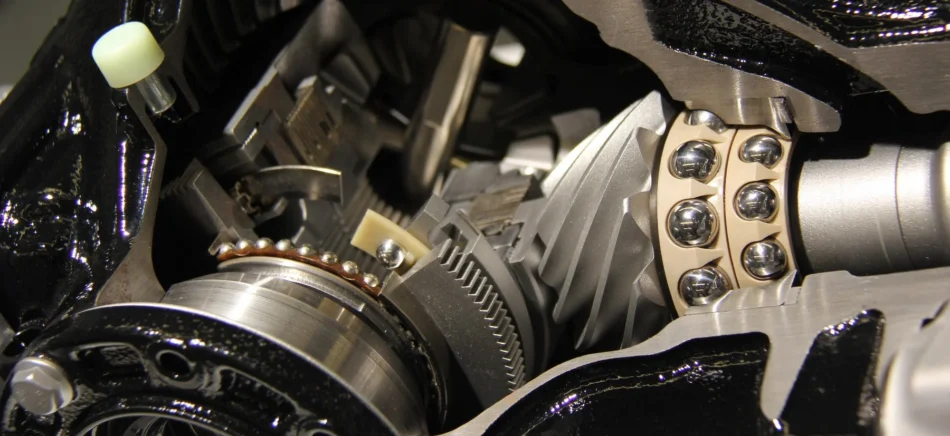
Limited slip differentials (LSD) use clutch packs, viscous couplings, or gearing to limit wheel spin. These units typically require specialized gear oil with friction modifiers. Using the wrong lubricant can lead to chatter, increased wear, or reduced performance.
For a more detailed explanation, you can check this guide:
Locking Differential
Locking differentials mechanically lock both wheels on an axle to rotate at the same speed. These are common in off‑road and heavy‑duty applications where maximum traction is needed. Even though they are robust, they still depend on clean, correct gear oil and periodic inspection of locking mechanisms and related linkages to ensure reliable operation.
Electronic and Torque Vectoring Differentials
Modern vehicles may use electronically controlled or torque vectoring differentials to improve handling and traction. Maintenance for these systems still revolves around fluid condition but also includes periodic software and sensor checks as part of broader vehicle service.
Signs Your Differential Needs Maintenance
Recognizing early symptoms of differential problems can save you time and money. Here are common warning signs to watch for:
Unusual Noises
Grinding, whining, or howling noises from the rear or front of the vehicle—especially during acceleration, deceleration, or steady cruise—can indicate worn gears or low fluid levels.
Vibration or Shuddering
A vibrating sensation through the chassis or an intermittent shudder during turns may signal issues with gears, bearings, or contaminated fluid.
Leaks Around the Housing
Gear oil leaking from the differential housing or axle seals indicates seal failure and requires prompt attention. Low fluid levels accelerate wear.
Excessive Tire Wear
Although many factors contribute to tire wear, a poorly functioning differential can cause uneven wear patterns due to improper wheel speed matching.
Differential Maintenance Checklist
Regular maintenance is the most effective way to protect your differential. Below is a practical checklist that applies to most vehicles:
1. Inspect Fluid Level and Condition
Check the differential fluid level according to your vehicle’s recommended service intervals. Gear oil that appears dark, gritty, or foul-smelling is overdue for replacement.
2. Change Differential Fluid at Recommended Intervals
Most manufacturers recommend changing differential fluid every 30,000 to 60,000 miles, though severe service conditions (towing, off-roading, dusty environments) may necessitate more frequent changes. Always consult your owner’s manual for model-specific guidance.
3. Use Correct Gear Oil
Selecting the correct gear oil is critical. Factors like viscosity (e.g., 75W-90, 80W-140), API rating, and presence of friction modifiers for limited slip units must match manufacturer specifications. Using incorrect oil can reduce lubricity and lead to accelerated wear.
4. Inspect Seals and Gaskets
Check axle seals and the differential cover gasket for leaks. Replace deteriorated seals immediately to prevent oil loss and contamination.
5. Check for Metal Debris
During fluid changes, inspect drained oil for metallic particles. This could indicate abnormal wear or impending component failure.
6. Assess Vent Tubes and Breathers
Differentials often have vent tubes to allow pressure equalization. Blocked vents can trap moisture and cause internal corrosion. Ensure vents are clean and free-flowing.
7. Listen During Test Drives
Routine test drives after maintenance can reveal issues early. Pay attention to noise, vibration, and handling characteristics.
Differential Fluid Change: Step‑by‑Step
While many vehicle owners choose professional servicing, understanding the fluid change process can improve awareness and readiness for maintenance:
- Prepare Tools and Supplies
Gather the correct gear oil, drain pan, socket set, gasket scraper, new gasket or RTV sealant, and cleaning rags. - Position the Vehicle Safely
Park on level ground, engage the parking brake, and support the vehicle with jack stands if needed. - Locate Fill and Drain Plugs
Most differentials have a fill plug higher than the drain plug. Loosen the fill plug first to ensure access. - Drain Old Fluid
Remove the drain plug and allow oil to drain completely. Inspect the fluid for metal flakes or irregularities. - Clean the Housing and Replace Gasket
Once drained, clean the housing surface and install a fresh gasket or apply RTV sealant according to manufacturer instructions. - Refill with Correct Gear Oil
Using a gear oil pump or suitable tool, fill the differential until oil begins to seep from the fill hole. Replace the fill plug. - Test Drive and Check for Leaks
After completing the service, take the vehicle for a short drive and inspect for leaks or abnormal noise.
Special Considerations for 4WD and Performance Vehicles
Vehicles with 4WD or performance setups often encounter conditions that place heavier demands on the differential. Towing, high-speed driving, track use, or off‑road excursions generate higher temperatures and loads. In such scenarios:
- Use premium synthetic gear oils designed for higher thermal stability.
- Inspect differentials more frequently for fluid degradation.
- Consider aftermarket cooling solutions for heavy towing.
- Monitor differential temperature where possible using onboard diagnostics or aftermarket sensors.
Professional Maintenance vs. DIY
Whether you perform differential maintenance yourself or rely on a professional shop depends on your comfort level and tools available. DIY servicing is feasible for experienced enthusiasts with the right equipment. However, professional technicians bring diagnostic tools, lifts, and the ability to identify related issues like bearing play or broken gears.
Routine inspections by professionals can catch hidden problems early, but understanding maintenance fundamentals empowers owners to advocate for necessary service and avoid unnecessary repairs.
Conclusion
Differential maintenance is a vital component of responsible vehicle ownership. By understanding how a differential works, recognizing warning signs, and following a systematic maintenance routine, you safeguard your drivetrain, improve vehicle performance, and avoid expensive repairs. Regular fluid changes, correct lubricant selection, and routine inspections should be integral parts of any maintenance schedule.
For reliable, precision‑engineered differential components and professional guidance on differential maintenance, contact XJXPARTS. We are a factory supplier committed to quality and durability. If you have questions or need parts, visit our Contact Us page and get in touch with our team.
