
Off-roading is a thrilling and challenging activity, but to truly excel in rough terrains, having the right modifications on your vehicle is crucial. Off-road enthusiasts often choose to modify their vehicles to enhance both performance and safety, making their driving experience more enjoyable and reliable. These modifications help improve traction, durability, and control, which are essential for navigating unpredictable and challenging landscapes.
In this guide, we will walk you through the key modifications every off-road enthusiast should consider. You will learn about the step-by-step process of upgrading your vehicle, the essential tools required, and the techniques that ensure the best results. Whether you’re a seasoned off-roader or a beginner looking to enhance your driving experience, this guide will provide valuable insights to help you get started.
When it comes to modifying your off-road vehicle, following a structured process can ensure that each upgrade is done efficiently and effectively. Here’s a simple step-by-step guide to help you through the process:
Step 1: Assess Your Goals
Before diving into modifications, consider what you want to achieve. Are you looking to improve your vehicle’s performance on rocky trails, or is durability in mud and sand more important? Identifying your goals will help guide your choices for the right modifications.
Step 2: Choose the Right Suspension System
The suspension system is one of the most critical components when it comes to off-road performance. It determines how your vehicle handles rough terrains, absorbs shocks from obstacles like rocks and tree roots, and provides the stability needed for a smooth ride. A high-quality suspension system can make all the difference when you’re pushing your vehicle to its limits on challenging off-road trails.
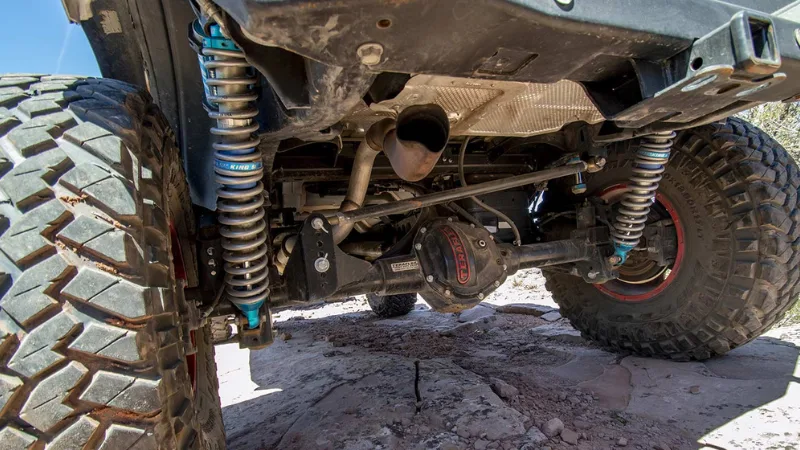
Lift Kits and Suspension Upgrades:
One of the most common modifications for off-road enthusiasts is installing a lift kit. A lift kit increases the height of your vehicle, providing greater ground clearance. This is essential for clearing obstacles such as boulders, deep ruts, and uneven terrain. Lift kits come in different sizes, with 2-inch to 6-inch lifts being the most popular. The increased clearance reduces the risk of bottoming out, preventing damage to your vehicle’s undercarriage and making it easier to navigate over obstacles.
However, lifting your vehicle isn’t just about increasing height-it also affects the overall suspension geometry. A properly designed lift kit not only raises the vehicle but also ensures that the suspension components maintain their optimal angles. This improves the articulation of the suspension, allowing each wheel to move independently, which is particularly useful when driving over uneven surfaces.
Adjustable Shocks and Dampers:
To complement your lift kit, installing adjustable shocks or dampers is another important modification. Shocks play a crucial role in absorbing the impact of rough terrain and controlling the bounce and sway of your vehicle. With adjustable shocks, you can fine-tune the damping settings to match the type of terrain you are driving on. For example, you can set a softer setting for desert dunes and a firmer setting for rock crawling.
Additionally, off-road shocks are designed to withstand the extreme conditions encountered on trails, including heat buildup and rough impacts. Choose shocks with heavy-duty construction and long travel to ensure maximum articulation and comfort, whether you’re tackling muddy tracks or rocky climbs.
Improved Stability and Handling:
A well-tuned suspension system significantly improves your vehicle’s stability and handling in off-road conditions. Suspension modifications like sway bars or stabilizer bars can reduce body roll, making the vehicle more stable on uneven terrain. If you plan to tackle steep hills or off-camber trails, a stabilizer bar can prevent tipping and keep your vehicle more balanced.
Ultimately, investing in a quality suspension system will not only provide you with better off-road performance but also contribute to the overall safety and comfort of your ride.
Step 3: Choose Performance Tires
When it comes to off-roading, tires are arguably the most important modification you can make. They are the only point of contact between your vehicle and the ground, so choosing the right tires for your specific needs is crucial for maximizing traction, performance, and durability.
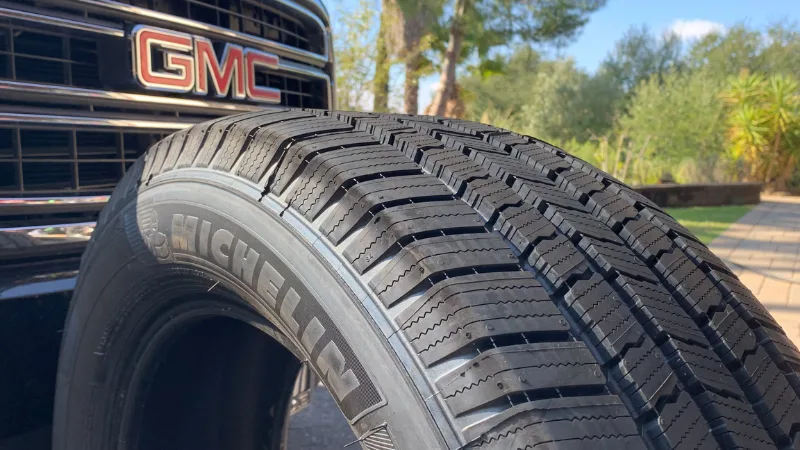
Choosing the Right Type of Tires:
The type of off-road tires you need will largely depend on the terrain you plan to conquer. There are several types of off-road tires, each designed for different conditions:
- All-Terrain Tires: These are the most versatile type of off-road tire, providing a balance between off-road capability and on-road comfort. They feature a more aggressive tread pattern than street tires but are still smooth enough for highway driving. All-terrain tires are ideal for light to moderate off-roading, such as dirt trails, gravel roads, and forest paths.
- Mud-Terrain Tires: If you’re planning to drive in muddy, wet, or soft sand conditions, mud-terrain tires are an excellent choice. These tires have deeper treads and larger voids, which provide superior traction in loose surfaces. They are designed to clear mud quickly, preventing the tire from getting stuck. However, they tend to produce more road noise and are less comfortable on highways, making them more suitable for off-road-focused vehicles.
- Rock-Crawling Tires: For those who are into rock crawling, specialized tires designed for maximum traction on rocky surfaces are essential. These tires are often larger, with knobby treads that offer incredible grip on rough, uneven, and rocky terrain. They are built to handle the extreme stresses of climbing over large boulders without damaging the tire.
- Sand Tires: If your off-roading adventures take you to dunes or beaches, sand tires with a wider footprint and paddle-like treads are ideal. These tires prevent your vehicle from sinking into soft sand by distributing the vehicle’s weight over a larger surface area, ensuring better flotation and easier navigation.
Tire Size and Sizing Considerations:
When selecting tires, it’s important to consider the size of the tire. Larger tires provide increased ground clearance, allowing your vehicle to better navigate over obstacles like rocks, tree roots, and deep ruts. However, larger tires can also affect the performance of your vehicle, particularly in terms of fuel economy and acceleration. It’s important to find a balance between tire size and the overall performance needs of your vehicle.
Durability and Tread Life:
Off-road tires are subject to intense wear and tear, so durability is a key factor when choosing the right set. High-quality tires are made with tougher rubber compounds that resist punctures, cuts, and abrasions. Look for tires that are reinforced with sidewall protection to reduce the risk of damage when navigating through rough terrains. Additionally, a tire’s tread life is important to consider for longevity, as replacing tires can be costly.
Tire Pressure and Adjustments:
Once you’ve installed your off-road tires, adjusting the tire pressure for different terrains is crucial. Lowering the tire pressure provides better traction on soft surfaces like sand and mud by increasing the contact area between the tire and the ground. However, it’s important not to overdo it, as too low a pressure can lead to tire damage or reduced stability. On rocky or hard surfaces, you may want to increase the tire pressure to ensure better durability and performance.
The right set of tires is a key component for any off-road vehicle, ensuring optimal traction, durability, and performance on a variety of terrains. Whether you’re tackling mud, sand, gravel, or rocky trails, the proper tires will help you stay in control and make the most of your off-road experience.
Step 4: Improve Differential and Gearing
The differential plays a crucial role in how power is distributed to your vehicle’s wheels, especially when navigating challenging off-road terrains. It allows the wheels to rotate at different speeds, which is essential for smooth turns. However, stock differentials might not provide enough traction in demanding conditions, such as mud, sand, snow, or rocky trails. This is where upgrading your differential becomes vital.
- Limited-Slip Differential (LSD): A limited-slip differential is a popular choice for off-roaders looking to improve traction without making drastic changes. An LSD helps limit the amount of difference in rotation speed between the left and right wheels. When one wheel starts spinning faster than the other (like when one wheel is on a slippery surface), the LSD reduces the power sent to that wheel and transfers it to the wheel with more grip. This improves stability, particularly on slippery surfaces, without the need for full-locking mechanisms.
- Locking Differential: For even more control in extreme conditions, many off-road enthusiasts opt for a locking differential. A locking differential forces both wheels on the axle to rotate at the same speed, which is especially helpful in situations where one wheel has little to no traction, such as in deep mud or sand. Locking diffs can either be manually engaged or automatically activated when needed. This modification ensures that both wheels are working together, providing maximum power and reducing the likelihood of getting stuck.
Along with upgrading the differential, adjusting the vehicle’s gearing is another important modification. Gearing affects the way power is transmitted from the engine to the wheels. Stock gear ratios are usually designed for everyday driving conditions, but they may not be ideal for off-roading, especially when larger tires are installed.

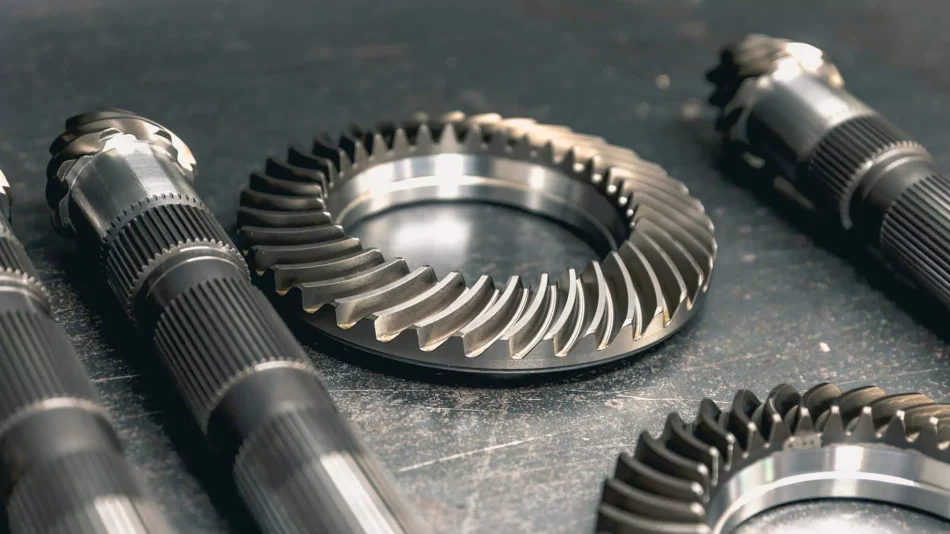
- Lower Gear Ratios: If you plan on tackling steep inclines or crawling over large obstacles, lowering your gear ratio (e.g., 4.11 or 4.56) gives your vehicle more torque. This means you’ll have more power available at lower speeds, which is essential for rock crawling and climbing hills. The downside is that lower gears can reduce highway cruising speed and fuel efficiency, so it’s a trade-off based on your primary use.
- Higher Gear Ratios: On the other hand, if your primary goal is to enhance highway driving after a day of off-roading, you might opt for higher gear ratios (e.g., 3.73 or 3.55). These will help your vehicle run more efficiently at higher speeds, although they may not provide the same low-end torque for off-road challenges.
Adjusting the gearing and upgrading the differential can significantly enhance your off-road performance by providing more control, better traction, and improved torque distribution. Whether you’re conquering muddy trails, navigating snow-covered paths, or crawling over rocks, these modifications ensure that your vehicle remains stable and capable in tough conditions, giving you the confidence to tackle any terrain.
Step 5: Add Skid Plates
Protecting your off-road vehicle’s undercarriage is essential, especially when driving over rocky or uneven terrain. Skid plates act as armor for critical components like the oil pan, fuel tank, and transmission. Installing durable steel or aluminum skid plates can prevent costly damage during harsh trail rides and improve the overall resilience of your off-road build.
Step 6: Upgrade Lighting
When off-roading in low-light conditions, especially at night or in dense forests, enhanced visibility is crucial. Installing high-performance LED light bars, fog lights, or spotlights can dramatically improve your field of vision. These lighting upgrades not only increase safety but also allow you to explore more challenging trails with confidence.
Step 7: Add Recovery Gear
No matter how well-equipped your vehicle is, getting stuck is always a possibility in extreme off-road environments. That’s why it’s important to carry reliable off-road recovery gear, including a winch, tow straps, shackles, and recovery boards. These tools ensure that you can recover your vehicle quickly and safely, whether you’re alone or helping a fellow off-roader.
Step 8: Test and Adjust
After completing your modifications, it’s important to test your off-road vehicle in real-world conditions. Choose a local trail or off-road course to evaluate the performance of your upgrades. Pay attention to handling, suspension response, traction, and clearance. Make necessary adjustments based on your experience to fine-tune your build for maximum performance and durability.
By following these essential steps, you can transform your off-road vehicle into a capable and trail-ready machine. Whether you’re navigating mud, rocks, or steep climbs, a properly modified vehicle ensures better safety, control, and enjoyment on every off-road adventure.
FAQs
1.What are the best off-road vehicle modifications for improving performance?
The best off-road vehicle modifications include upgrading the suspension system, installing high-performance off-road tires, enhancing the differential with a limited-slip or locking differential, adding protective skid plates, and installing high-intensity off-road lights. These modifications will improve your vehicle’s traction, durability, and stability, enabling it to tackle rough terrains like mud, rocks, and sand.
2.How does installing a lift kit help with off-roading?
A lift kit improves off-road performance by increasing your vehicle’s ground clearance, allowing it to easily pass over large rocks, deep ruts, and other obstacles without damaging the undercarriage. It also enhances suspension articulation, improving your vehicle’s stability and control when driving over uneven terrain, which is crucial for off-road adventures.
3.What is the difference between a limited-slip differential and a locking differential for off-roading?
A limited-slip differential (LSD) improves traction by distributing power to the wheel with more grip when one wheel starts slipping, making it ideal for light off-roading. A locking differential, on the other hand, locks both wheels on the same axle together, providing maximum traction in challenging terrains like mud or rocks. It’s perfect for extreme off-roading conditions where maximum traction is necessary.
If you’re looking for high-quality differential products, consider contacting XJX Parts, a trusted brand that offers top-notch components. Our experts can provide the best advice to help you choose the right differential and gearing options to suit your off-roading needs, ensuring optimal performance and reliability.
4. How do I choose the right off-road tires for different terrains?
Choosing the right off-road tires depends on the terrain you plan to conquer. For general off-roading, all-terrain tires are a great option. For muddy or wet conditions, mud-terrain tires offer superior grip. If you’re rock crawling, look for tires with deep, knobby treads for optimal traction on uneven surfaces. For sand, wide sand tires with paddle-like treads are the best choice to avoid sinking. Be sure to choose the right tire size for adequate ground clearance and handling.
5. How does adjusting tire pressure affect off-road performance?
Adjusting tire pressure can significantly impact your vehicle’s traction on various off-road surfaces. Lowering tire pressure increases the tire’s contact area, improving traction on soft terrains like sand and mud. However, it’s important not to overdo it, as too low pressure can cause tire damage. On harder terrains like rocks or gravel, higher tire pressure is recommended for better durability and control. Adjust tire pressure based on your terrain for optimal off-road performance.
