
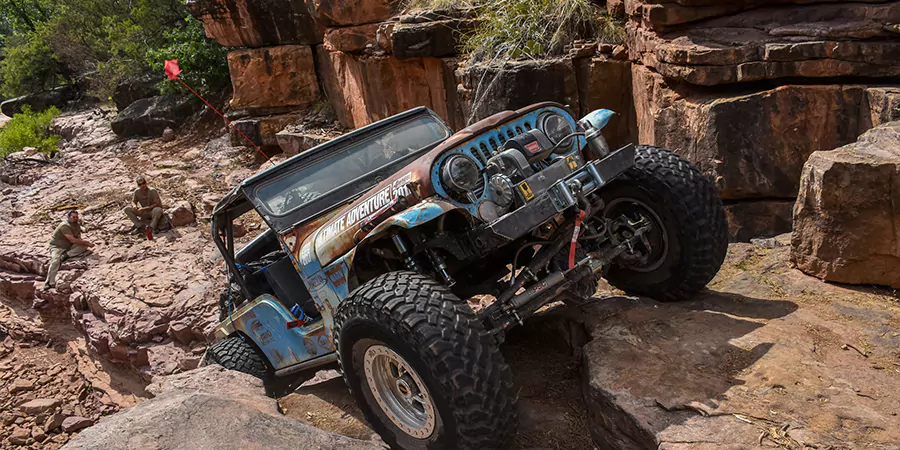
When it comes to driving in challenging conditions, the type of differential your vehicle has can make a significant difference. Both limited slip differentials (LSD) and locking differentials (lockers) have their unique advantages and applications. Let’s explore the differences between the two and determine which one might be better suited for your needs.
What Is a Limited Slip Differential?
A limited slip differential is designed to distribute power more evenly between the wheels. It can detect when one wheel is spinning faster than the other and transfer some of the power to the wheel with better traction. This helps in maintaining traction and control, especially in slippery conditions like snow or rain.
Pros
- Improved Traction: Helps prevent wheel spin by distributing power more evenly.
- Better Stability: Provides consistent power distribution, enhancing vehicle stability.
- Smooth Operation: Engages and disengages smoothly, providing a comfortable driving experience.
Cons
- Limited Off-Road Capability: While great for slippery roads, it may not be as effective in extreme off-road conditions where one wheel might be completely off the ground.
- Complexity: The mechanism is more complex and can be more expensive to maintain and repair.
What Is a Locking Differential?
A locking differential, or locker, can lock both wheels on an axle together, forcing them to rotate at the same speed regardless of traction conditions. This is particularly useful in off-road situations where one wheel might be in the air or on a very loose surface.
Pros
- Maximum Traction: Provides the highest level of traction possible by ensuring both wheels turn together.
- Off-Road Performance: Ideal for extreme off-road conditions, rock crawling, and deep mud or sand.
- Simplicity: The mechanism is relatively simple and robust, making it reliable in harsh conditions.
Cons
- On-Road Limitations: Can cause handling issues on pavement, especially when turning, as it forces both wheels to rotate at the same speed.
- Driver Input: Often requires manual engagement, meaning the driver must decide when to lock and unlock the differential.
- Harsh Engagement: Engaging and disengaging can be abrupt, making for a less smooth driving experience.
Which Is Better for You?
The choice between a limited slip differential and a locking differential depends largely on your driving needs and conditions.
For Everyday and Winter Driving
Limited Slip Differential (LSD) is generally better for everyday driving and winter conditions. It provides improved traction and stability on slippery roads without compromising the smoothness and comfort of your drive. If you frequently encounter snow, rain, or loose gravel, an LSD can be a great asset.
For Off-Road and Extreme Conditions
Locking Differential (Locker) is more suited for extreme off-road conditions where maximum traction is essential. If you’re into off-roading, rock crawling, or driving in deep mud or sand, a locker will give you the traction you need to tackle these challenges. However, it’s not ideal for regular on-road use due to its handling characteristics on pavement.
Conclusion
Both limited slip and locking differentials have their unique advantages and are suited for different driving conditions. If you predominantly drive on paved roads and occasionally encounter slippery conditions, a limited slip differential is likely the better choice. On the other hand, if you frequently find yourself in extreme off-road environments, a locking differential will provide the traction you need. Ultimately, understanding your driving needs and the conditions you’ll be facing can help you make the best decision.
