
Limited slip differential chatter is a phenomenon where the limited-slip differential (LSD) produces noise or vibration during operation. This issue often manifests as intermittent clunking or grinding sounds, particularly noticeable during turns or acceleration.
What Causes Limited Slip Differential Chatter?
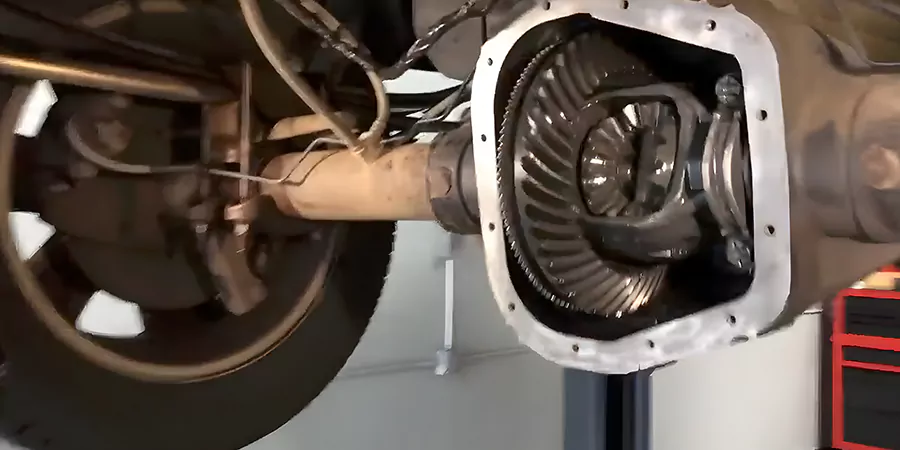
Several factors can contribute to the occurrence of chatter in a limited slip differential:
- Worn Friction Plates
Clutch-type LSDs rely on internal friction plates to provide limited slip functionality. Over time, these plates can wear out due to the constant friction they endure. As the friction plates wear, they lose their ability to smoothly engage and disengage, resulting in a vibrating or clunking noise, especially during high-stress situations such as turning or accelerating.
- Lubrication Issues
Using incorrect or degraded lubricants can significantly affect the performance of an LSD. Lubricants are essential in reducing friction between the moving parts. If the lubricant is not of the right type or has deteriorated over time, it may fail to provide adequate lubrication, leading to increased friction and causing the friction plates to chatter. Proper lubrication ensures the smooth operation of the friction plates and minimizes noise.
- Damaged Internal Components
The internal components of the LSD, including gears and bearings, can wear out or become damaged due to prolonged use or harsh driving conditions. Damaged components can lead to misalignment and instability within the differential, causing it to produce noise and vibration. Regular inspection and maintenance can help identify such issues early on.
- Improper Installation
Incorrect installation of the LSD can lead to alignment issues that cause chatter. Ensuring that the LSD is installed correctly by a professional is crucial. Misalignment can cause uneven wear on the friction plates and other internal components, leading to increased noise and vibration during operation.
- Driving Conditions
Certain driving conditions, such as aggressive driving, sharp turns, or high-load scenarios, can place additional stress on the LSD. When the LSD is subjected to sudden or extreme loads, it may not engage or disengage smoothly, resulting in chatter. Understanding and adapting to appropriate driving habits can help minimize this issue.
Types of Limited Slip Differentials Prone to Chatter
Chatter is most commonly associated with clutch-type limited slip differentials. These LSDs rely on internal friction plates to provide limited slip functionality. When these plates wear out or if there are lubrication issues, chatter is likely to occur.
- Clutch-Type LSDs
These are the most common type prone to chatter due to their reliance on friction plates. Over time, the wear and tear of these plates, combined with potential lubrication problems, make them susceptible to producing noise and vibration.
On the other hand, Torsen-type LSDs, which use gear mechanisms to achieve limited slip, are less prone to chatter.
- Torsen-Type LSDs
These differentials use helical gears instead of friction plates, making them quieter and smoother in operation. They are less likely to experience chatter because the engagement and disengagement processes are inherently smoother due to the gear design.
Solutions to Limited Slip Differential Chatter
To address and prevent chatter in a limited slip differential, consider the following solutions:
- Replace Worn Friction Plates
Regularly inspect and replace worn friction plates in clutch-type LSDs. This helps maintain the smooth engagement and disengagement of the plates, reducing the likelihood of chatter. It’s important to follow the manufacturer’s guidelines for inspection intervals and replacement procedures.
- Use Appropriate Lubricants
Ensure that the LSD is lubricated with the correct type and quality of oil as specified by the manufacturer. Regularly check and change the oil to maintain optimal performance. Using the right lubricant helps reduce friction between moving parts, ensuring smooth operation and minimizing noise.
- Inspect and Repair Internal Components
Regular maintenance and inspection of internal gears and bearings can help identify and repair any damage before it leads to chatter. Keeping the internal components in good condition is essential for the overall stability and performance of the LSD.
- Proper Installation
Make sure the LSD is installed correctly by a professional to avoid alignment issues that could cause chatter. Proper installation ensures that all components are aligned and functioning correctly, which is crucial for preventing noise and vibration.
- Adapt Driving Habits
Avoid aggressive driving maneuvers that place excessive stress on the LSD. Follow the manufacturer guidelines for operating conditions to ensure the longevity and proper function of the differential. Smooth and steady driving habits can help reduce the occurrence of chatter.
By understanding the causes and solutions for limited slip differential chatter, drivers can ensure their vehicles maintain optimal performance and longevity.
