
A Limited Slip Differential (LSD) is a key component in a vehicle’s drivetrain that helps distribute power more effectively between the wheels, especially when traction is uneven. Understanding how LSD works and its benefits can help you appreciate its importance in vehicle performance.
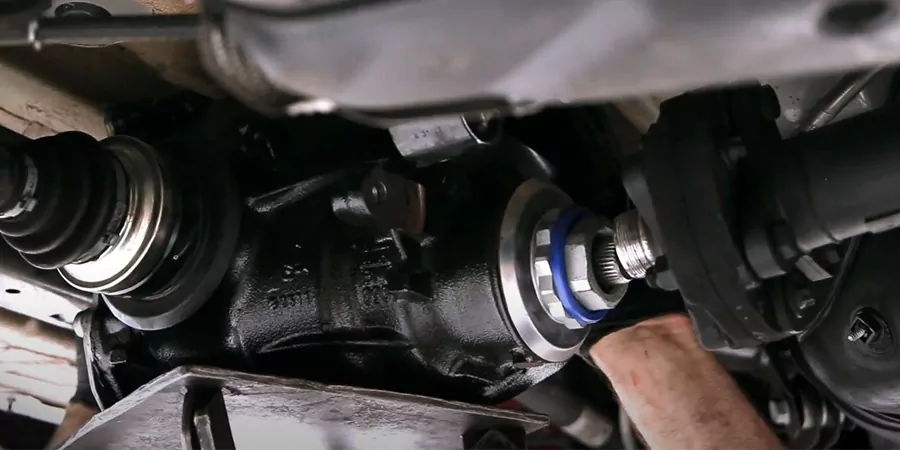
What is a Differential?
A differential is a vital part of a vehicle’s drivetrain, allowing the wheels to rotate at different speeds, which is especially important when the vehicle is turning. During a turn, the outside wheel needs to travel a greater distance, and the differential allows for this difference in rotation.
How Does a Limited Slip Differential (LSD) Work?
A Limited Slip Differential enhances a standard differential by limiting the difference in speed between the two wheels on the same axle. This is particularly useful in maintaining traction. When one wheel loses traction (like on ice), an LSD limits the amount of slip and distributes some power to the wheel with better traction. It uses a combination of clutches, gears, or viscous fluids to achieve this. When a wheel starts to slip, these mechanisms engage to transfer some of the power to the other wheel, improving overall traction.
Types of LSD
There are several types of Limited Slip Differentials, each using different mechanisms to achieve the same goal. Clutch-Type LSD uses clutch plates to limit slip between the wheels. When one wheel slips, the clutches engage to transfer power to the other wheel. Viscous LSD uses a thick fluid to transfer torque; when one wheel spins faster, the fluid becomes more viscous and transfers torque to the less-spinning wheel. Torsen (Torque-Sensing) LSD uses gears to sense torque differences between the wheels and adjusts power distribution accordingly.
Benefits of LSD
The primary advantage of a Limited Slip Differential is improved traction, especially on slippery surfaces. It helps maintain traction in conditions like wet or icy roads, preventing the vehicle from getting stuck. Additionally, LSD enhances vehicle stability and handling, particularly during cornering. For performance cars, it improves acceleration and cornering abilities, making it a common feature in sports and high-performance vehicles.
Conclusion
A Limited Slip Differential (LSD) is a valuable feature in many vehicles, particularly those designed for performance or off-road use. By limiting the slip between the wheels, it helps maintain traction, improve handling, and enhance overall driving stability. Whether you’re navigating a slippery road or taking sharp corners at high speeds, an LSD can make a significant difference in your vehicle’s performance.
