
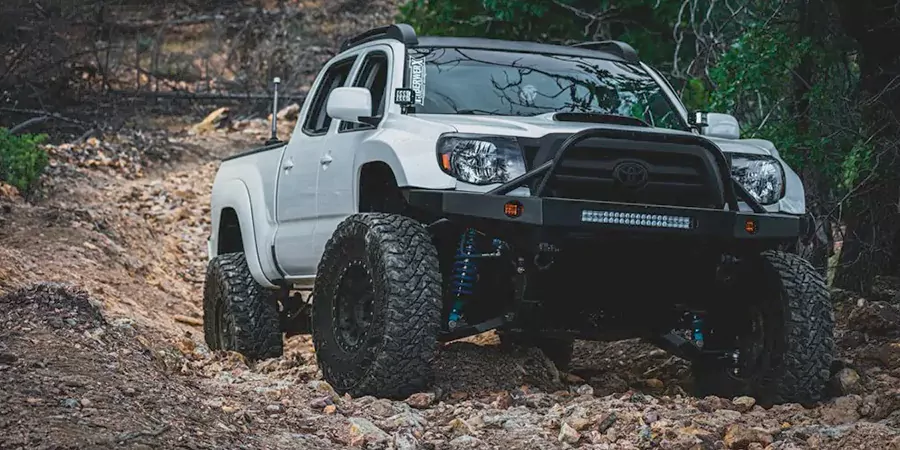
When it comes to enhancing the off-road capabilities of your vehicle, the choice between a Limited Slip Differential (LSD) and a Locking Differential (Locker) is crucial. Each type of differential has its advantages and is suited to different driving conditions. Understanding the key differences, benefits, and real-world applications can help you make an informed decision.
Limited Slip Differential (LSD)
A Limited Slip Differential allows for some degree of slip between the wheels, but limits the difference in rotational speed. This helps improve traction without fully locking the wheels together.
Benefits
- Versatility
An LSD is useful in a wide range of situations, from daily driving to light off-roading. It enhances traction on slippery surfaces such as ice, snow, and mud.
- Improved Handling
LSDs provide smoother power delivery during cornering, improving overall handling and vehicle stability.
- Maintenance
LSDs generally require more maintenance than lockers, as they use clutch packs or other mechanisms that can wear over time. However, they don’t need special additives in the fluids.
- Daily Use
Ideal for vehicles that are driven on-road as well as off-road, offering a balance between performance and practicality.
Disadvantage
- Limited Locking Capability
An LSD cannot provide 100% lock, which means some slip is still possible.
- Complexity
More complex than open differentials, potentially requiring more maintenance.
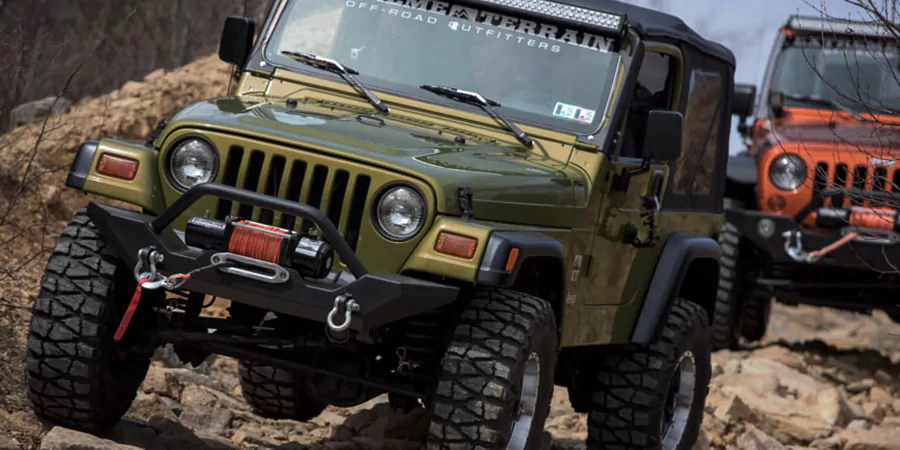
Locking Differential (Locker)
A Locking Differential physically locks both wheels on an axle together, ensuring they rotate at the same speed regardless of traction conditions. Lockers can be either manually or automatically engaged.
Benefits
- Maximum Traction
Lockers provide the best possible traction by ensuring both wheels turn at the same rate, essential for extreme off-road conditions like rock crawling and deep mud.
- Reliability
Mechanical lockers are typically stronger and more durable than LSDs, with fewer parts that can wear out.
- Flexibility
Selectable lockers can be engaged or disengaged as needed, offering flexibility for different driving conditions.
Disadvantage
- On-Road Handling
Locked differentials can make on-road driving challenging, causing understeer, increased tire wear, and potential driveline stress.
- Engagement Requirements
Selectable lockers require manual engagement, which may be less convenient in certain situations.
- Cost
Generally more expensive and complex to install compared to LSDs.
From real user experiences, we gather that LSDs often prove sufficient for many off-road situations and provide consistent traction improvement in everyday driving. For example, a 1990 Chevy 4×4 owner with a rear LSD reported significant benefits in slippery conditions like ice and snow, as well as improved traction in mud and on pavement. Conversely, a newer 4Runner owner with a rear locker found little need to engage the locker, suggesting that an LSD might often be the more practical choice.
Practical Recommendations
For vehicles that see frequent on-road use along with occasional off-roading, an LSD is typically the better choice. It offers good all-around performance, improved handling, and consistent traction without the complexities and potential downsides of a locker.
For purpose-built off-road vehicles or those frequently encountering extreme conditions, a locker provides unmatched traction and reliability.
Conclusion
Choosing between a Limited Slip Differential and a Locking Differential depends on your specific driving needs and environment. An LSD is versatile and practical for most situations, providing improved traction and handling without compromising daily drivability. A Locker, on the other hand, is essential for extreme off-road conditions, offering maximum traction and reliability when it’s needed most. Understanding these differences will help you make the best choice for your vehicle and your driving adventures.
