
The Evolution and Innovation of Quattro
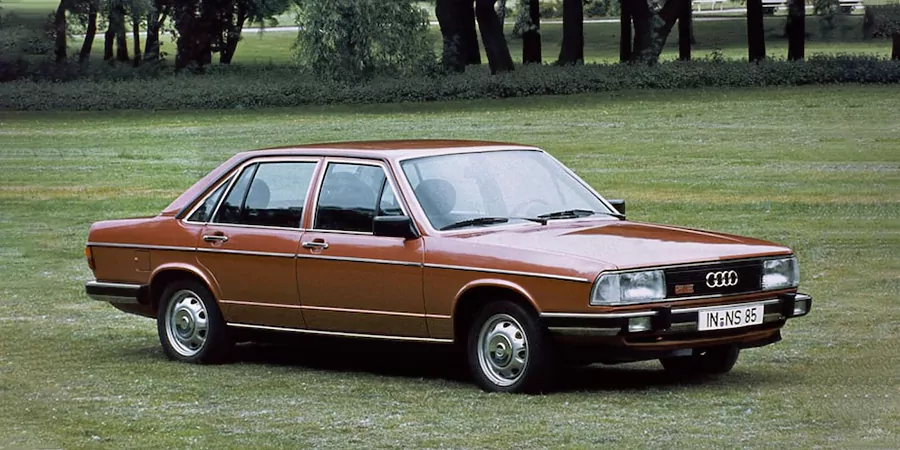
The origin of Quattro can be traced back to a forest in Finland, located within the Arctic Circle. During a test drive, Audi’s head of testing was driving a 75 hp Volkswagen Iltis 4WD off-road vehicle, following behind a convoy of front-wheel-drive cars based on the Audi 100, which had 200 horsepower. Due to the significant power difference, the Audi 100 easily outpaced the Volkswagen Iltis on straight roads. However, the situation reversed on bends. This interesting observation led them to conclude that the Volkswagen Iltis’ 4WD system was the reason for its superior performance on bends. They decided to transplant the 4WD system from the Volkswagen Iltis to Audi’s passenger cars. This happened in the year 1977.
The Key Technology in Audi's Quattro System
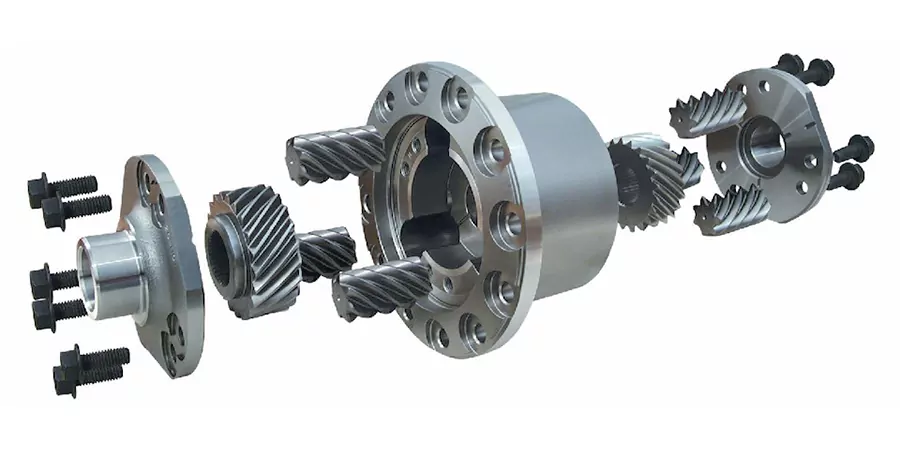
Relying on the structural characteristics of the Torsen limited-slip differential, power is evenly distributed between the front and rear axles in a 50:50 ratio during straight-line driving, with the planetary gears inside the differential not rotating. When the car accelerates, the Torsen differential automatically allocates more power to the rear wheels due to increased traction, allowing for greater effective traction.
Conclusion
Quattro is not a purely mechanical four-wheel drive system. After seven generations of evolution, engineers added the Electronic Differential Lock (EDL) to the Torsen differential. EDL, short for Electronic Differential Lock, is a system that monitors the speed of all four wheels. When a wheel loses traction and starts spinning freely, the EDL applies braking force to that wheel independently using the ABS system. This allows torque to be transferred through the open differential to the other wheel that has traction, preventing slippage.
