Is Limited-slip Good for Racing?

Limited-slip for Racing
When it comes to racing, the type of differential used in a vehicle can significantly impact performance. Unlike traditional open differentials, limited-slip differentials (LSDs) offer superior control over power distribution, making them a popular choice among racing enthusiasts and professionals alike.
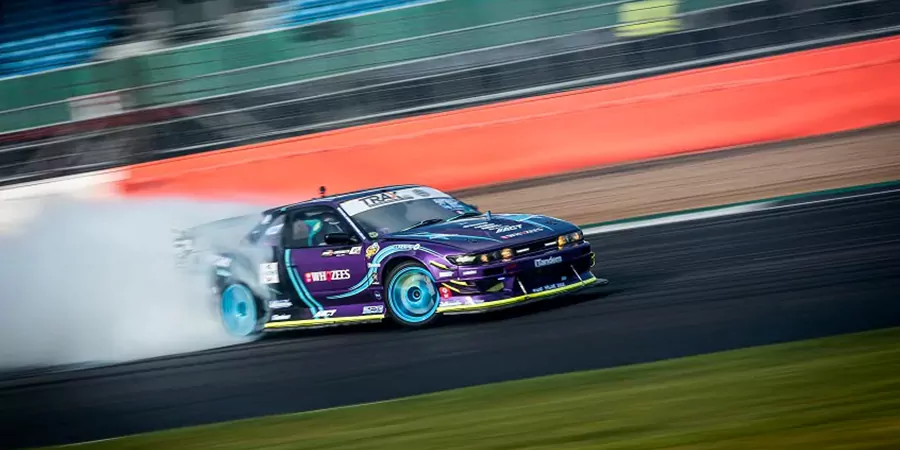
An open differential uses gears to allow wheels to rotate at different speeds while turning. However, this design has a major drawback: it can easily become overpowered. When power reaches the wheels, it naturally follows the path of least resistance, which usually means the wheel with the least grip. In scenarios where the driver applies heavy throttle and the engine generates substantial power, this can result in all the power being lost in a cloud of smoke as the unloaded tire spins, while the other tire continues to grip the road.
In contrast, a limited-slip differential counters this natural power flow, redistributing the engine’s torque to the wheel with the most grip. This reduces wheel spin on the unloaded tire, ensuring that the engine’s power is more effectively transferred to the road. The result is improved traction, which enhances cornering and acceleration.
There are several types of limited-slip differentials, including helical, viscous, and clutch types. Each has its unique mechanism for managing power distribution and improving vehicle performance.

Helical LSD

Helical LSDs use gears, typically worm gears, to transfer torque. These gears create resistance to differences in wheel speed, effectively transferring torque to the wheel with better traction. Helical LSDs are known for their durability and consistent performance, particularly in high-performance and racing applications.

Clutch-Type LSD

Clutch-type LSDs use a series of clutch plates to transfer torque. When a difference in wheel speed is detected, the clutch plates engage, transferring torque to the wheel with more grip. This type of LSD offers precise control over power distribution and is often used in high-performance and racing vehicles for its ability to handle significant power loads.

Viscous LSD

A viscous LSD uses a thick fluid to transfer torque between the wheels. When a difference in wheel speed occurs, the fluid’s viscosity increases, causing it to solidify and transfer torque to the wheel with more grip. This type of LSD is known for its smooth operation and gradual engagement, making it suitable for a variety of driving conditions.

Conclusion

In conclusion, limited-slip differentials provide a significant advantage over traditional open differentials by better managing power distribution. By effectively redistributing torque to the wheel with the most grip, LSDs reduce wheel spin on unloaded tires and ensure that engine power is more efficiently transferred to the road. This results in improved traction, better cornering, and enhanced acceleration, making LSDs an essential component for racing vehicles. Whether using a viscous, helical, or clutch-type LSD, the benefits of improved power management and vehicle control are clear, making them a superior choice for racing applications.
Shopping Cart