
In an automotive drivetrain, axles and the differential are critical components that ensure smooth and efficient power delivery. This article will delve into the functions of these two important parts, how they work together, and their applications in various types of drive systems. By understanding these aspects, car owners can better maintain and care for these key components, extending the vehicle’s lifespan and enhancing the driving experience.
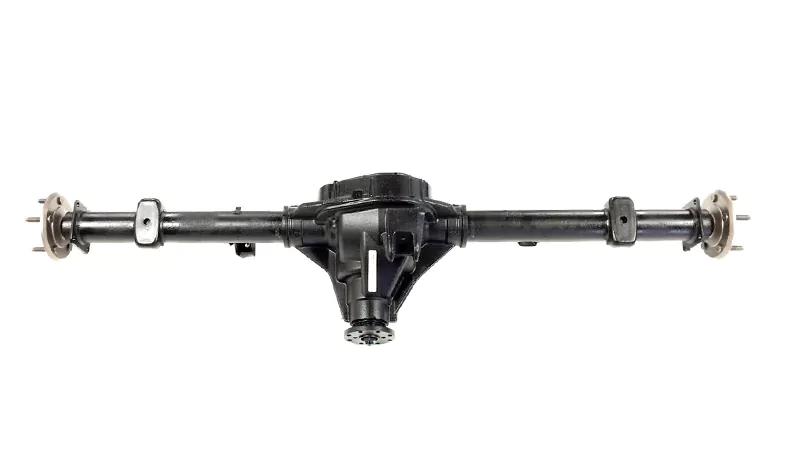
What is a Differential?
The differential is a crucial part of the vehicle’s drivetrain, typically located within the rear axle assembly. Its primary function is to reduce the high speed of the engine output and transfer it to the wheels at a lower, more suitable speed. In addition to reducing speed, the differential also distributes torque to the wheels and enables them to rotate at different speeds, which is especially important when turning.
Key functions of the differential include:
- Speed Reduction: The differential reduces the engine’s high-speed power to the lower speed required for the wheels.
- Torque Distribution: It splits the torque between the two driving wheels, allowing them to rotate at different speeds during turns.
- Differential Locking: In some systems, the differential can be locked to prevent wheel slip when traction is low.
What is an Axle?
The axle is the shaft that connects the differential to the wheels and transmits the rotational force (torque) from the differential to the wheels. The axle also supports the vehicle’s weight and must handle the various loads placed on it during driving.
Key functions of the axle include:
- Torque Transmission: It carries the power from the differential to the wheels.
- Cornering Adaptability: During turns, the wheels rotate at different speeds; the axle, equipped with universal joints, adapts to these changes to maintain smooth power transmission.
- Load Support: Axles bear the vehicle’s weight and the dynamic forces generated during driving.
How Axles and Differentials Work Together
The differential and axles work together seamlessly to ensure smooth and stable power delivery to the wheels. The process begins with the engine power being transmitted through the transmission, which then passes through the differential. The differential reduces the speed of the engine’s output, distributes the torque between the wheels, and sends the power to the axles, which finally deliver it to the wheels for movement.
Here’s a step-by-step breakdown of how they collaborate:
- Power Source: The engine sends power to the transmission.
- Power Adjustment: The transmission transfers power to the differential, where it is reduced to a lower speed and divided between the two wheels.
- Power Transmission: The axles carry the reduced torque from the differential to the wheels, enabling the vehicle to move.
Axles and Differentials in Different Drive Systems
The configuration of axles and differentials can vary depending on the vehicle’s drivetrain system. Below are the applications and working principles for common drivetrain setups.
- Front-Wheel Drive (FWD) In front-wheel-drive vehicles, the engine’s power is transmitted through the transmission to the front differential, which then transfers it to the front axles. Front-wheel-drive systems typically use constant velocity joints (CV joints) in the axles to accommodate the angle changes during turns.
- Rear-Wheel Drive (RWD) In rear-wheel-drive vehicles, power from the differential is transmitted to the rear axles, which then deliver the power to the rear wheels. Rear-wheel-drive systems typically have a simpler axle design compared to front-wheel drive since they only need to handle the power transmission to the rear wheels.
- All-Wheel Drive (AWD) and Four-Wheel Drive (4WD) In AWD or 4WD vehicles, the differential not only sends power to the rear axle but also to the front axle through a transfer case. The design of the axles in these systems is more complex to handle torque distribution and angle changes in both the front and rear axles.
Conclusion
The axle and differential are integral to a vehicle’s drivetrain, working together to deliver power to the wheels efficiently and smoothly. Whether in a front-wheel-drive, rear-wheel-drive, or all-wheel-drive system, these components ensure the vehicle runs smoothly, even when navigating turns or rough terrain. Regular inspection and maintenance of these parts are essential for maintaining vehicle performance and avoiding costly repairs.
By understanding the role of axles and differentials and their interaction, car owners can make better-informed decisions about vehicle care, ensuring a safer, more reliable driving experience. If you have any questions regarding axles or differentials, feel free to contact us for expert advice and service.
