
This article explains how a locking differential works in snowy conditions, when it offers clear advantages, when it should be used with caution, and how it compares with other traction solutions. Whether you are a vehicle owner, off-road enthusiast, or automotive professional, understanding this system will help you make better decisions for winter driving.
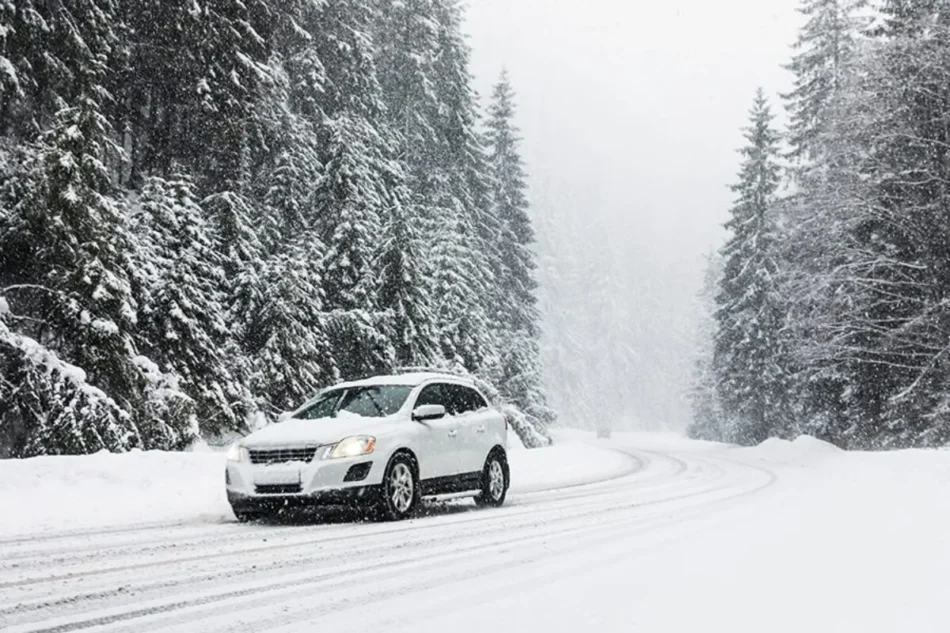
Understanding the Challenge of Snow and Ice Traction
Snow and ice drastically reduce tire grip. Even high-quality winter tires can only do so much when one wheel encounters compacted snow or ice while the other sits on a surface with slightly better traction.
In a standard open differential, torque always follows the path of least resistance. When one wheel loses grip, it begins to spin freely, while the wheel with better traction receives little or no power. This behavior is efficient for normal road use, but becomes a liability on slippery surfaces.
Winter driving often creates exactly this scenario:
- One wheel on ice, the other on packed snow
- One wheel in a rut, the other on a higher, drier surface
- Uneven snow depth across the axle
This is where a locking differential can change the outcome.
What Is a Locking Differential?
A locking differential is designed to mechanically lock both wheels on an axle together so they rotate at the same speed. When engaged, it prevents the situation where power is wasted spinning a single wheel with no traction.
There are several common types:
- Selectable locking differentials (manual or electronic engagement)
- Automatic locking differentials
- Air lockers and electric lockers
Despite differences in activation methods, the goal is the same: deliver torque evenly to both wheels when traction is limited.
How a Locking Differential Performs in Snow
Equal Power Distribution
In snowy conditions, traction often varies wheel to wheel. When a locking differential is engaged, both wheels receive equal torque regardless of surface differences. This allows the tire with better grip to continue pushing the vehicle forward.
Improved Low-Speed Control
Snow driving frequently involves low-speed maneuvers such as:
- Starting from a stop on an icy incline
- Crawling through deep snow
- Navigating slippery parking lots
A locking differential reduces wheel spin during these moments, improving forward motion without excessive throttle input.
Reduced Risk of Getting Stuck
Locking Differential vs Open Differential in Snow
| Feature | Open Differential | Locking Differential |
|---|---|---|
|
Torque distribution |
Uneven under low traction |
Equal to both wheels |
|
Performance on ice |
One wheel spins |
Both wheels drive |
|
Low-speed snow control |
Limited |
Significantly improved |
|
Driver involvement |
None |
Engagement required (most types) |
While open differentials are sufficient for light snow and plowed roads, their limitations become clear in deeper or uneven conditions.
Locking Differential vs Limited Slip Differential in Snow
A limited slip differential (LSD) is often considered a middle ground between an open and locking differential. It allows some torque transfer to the wheel with grip but does not fully lock both wheels together.
Key Differences in Snow
- LSD: Smooth and predictable on lightly snow-covered roads, better suited for daily driving.
- Locking differential: Superior in deep snow, uneven terrain, or situations where one wheel has near-zero traction.
For drivers in areas with frequent heavy snowfall or unmaintained roads, a locking differential offers a more robust solution, especially at low speeds.
When Should You Use a Locking Differential in Snow?
A locking differential is not meant to be engaged at all times. Knowing when to use it is critical for both safety and drivetrain longevity.
Ideal Situations
- Starting from a stop on icy or snowy inclines
- Driving through deep or uneven snow
- Low-speed off-road winter trails
- Recovering from a stuck condition
Situations to Avoid
- High-speed driving on plowed roads
- Sharp turns on dry pavement
- Mixed traction surfaces at speed
Using a locking differential improperly can lead to understeer, tire scrubbing, or increased stress on axle components.
Handling and Steering Considerations
When engaged, a locking differential forces both wheels to rotate at the same speed, which can affect steering behavior.
In snow:
- Straight-line stability improves
- The turning radius may increase
- Steering effort can feel heavier
Drivers should anticipate reduced steering responsiveness and adjust speed accordingly. Smooth inputs and lower speeds are key to maintaining control.
Tires Matter More Than the Differential Alone
A locking differential cannot compensate for poor tire choice. Winter performance depends on the entire traction system.
Best practices include:
Dedicated winter tires with an appropriate compound
Correct tire pressure for cold temperatures
Matching tire sizes across the axle
A locking differential works best when paired with tires capable of generating usable grip.
Electronic Aids and Locking Differentials
Modern vehicles often combine traction control systems with mechanical differentials. While electronic traction control can brake a spinning wheel to simulate torque transfer, it has limitations in deep snow.
A locking differential provides:
Immediate mechanical torque transfer
No reliance on brake intervention
Consistent performance at low speeds
In severe winter conditions, mechanical locking systems often outperform electronic-only solutions.
Is a Locking Differential Worth It for Winter Driving?
The answer depends on driving environment and use case.
It Is Worth Considering If:
You live in regions with heavy snowfall
Roads are frequently unplowed or poorly maintained
You drive in rural or mountainous areas
Your vehicle is used for work or off-road winter travel
It May Be Unnecessary If:
You only drive on well-maintained urban roads
Snow exposure is occasional and light
Your vehicle already performs well with winter tires and traction control
Understanding your real-world conditions is more important than following trends or marketing claims.
Maintenance and Reliability in Cold Conditions
A properly designed locking differential is built to operate in harsh environments, including freezing temperatures.
Key maintenance considerations:
Use correct differential oil grade for winter climates
Inspect seals and wiring (for electric lockers)
Engage the locker periodically to ensure proper operation
Routine inspection helps ensure reliable engagement when conditions demand it most.
Common Misconceptions About Locking Differentials in Snow
“Lockers are only for off-road use.”
While popular in off-road applications, locking differentials offer real advantages in winter driving when used correctly.
“They make vehicles dangerous on snow.”
Improper use can reduce control, but when engaged at low speeds and disengaged appropriately, they improve traction and stability.
“Traction control makes lockers unnecessary.”
Electronic systems help, but mechanical locking provides consistent torque delivery where electronics may struggle.
Choosing the Right Locking Differential Setup
Selecting the right system depends on:
Vehicle type and axle configuration
Driving conditions
Driver experience
Budget and maintenance preferences
Selectable lockers provide the most control, allowing drivers to engage them only when conditions require maximum traction.
Final Thoughts on Locking Differentials in Snow
Winter driving exposes the limits of standard drivetrains. A locking differential addresses one of the most common traction failures by ensuring both wheels contribute to forward motion when grip is limited. Used correctly, it enhances confidence, reduces the risk of getting stuck, and improves low-speed control in snow-covered environments.
For drivers and professionals who demand consistent winter performance, understanding how and when to use a locking differential is as important as the hardware itself.
If you are sourcing locking differentials or related drivetrain components, XinJin Auto Parts manufactures differential solutions with a focus on durability and real-world applications. If you have any technical questions or project requirements, please don’t hesitate to contact us directly through our Contact Us page.
We’re always ready to support your drivetrain needs.
