
Selecting the right ring and pinion gears is one of the most important decisions when upgrading a differential, improving vehicle performance, or rebuilding a drivetrain for durability. The gear set determines how efficiently power flows from the driveshaft to the wheels, how the vehicle responds under load, and how reliable the differential remains under demanding conditions.
Whether you are setting up gears for off-road use, towing applications, high-performance builds, or OEM replacement work, understanding how to choose the correct ratio and gear type is essential. The wrong choice can lead to sluggish acceleration, excessive heat, premature wear, or even catastrophic gear failure. The right choice, however, results in smoother operation, stronger low-end torque, and longer component life.
This guide breaks down the key considerations into clear, practical steps. It is written for builders, workshops, procurement departments, and all professionals sourcing drivetrain components for reliable long-term performance.
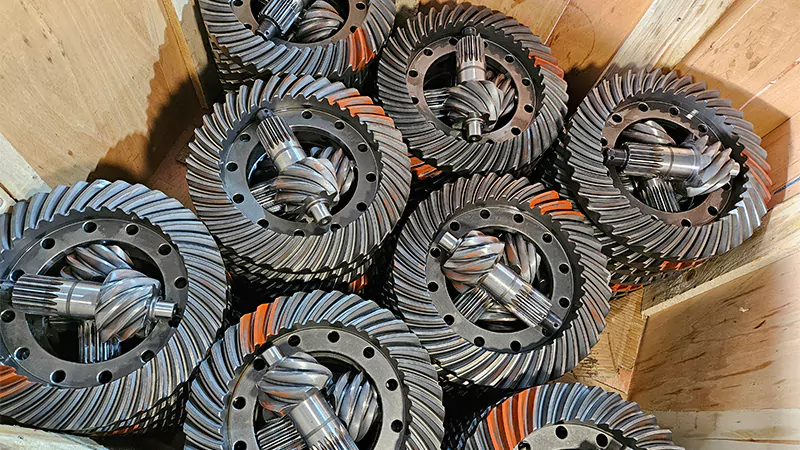
Understand the Function of Ring and Pinion Gears
A ring and pinion gear set is the heart of a differential. The gears transfer rotational force from the driveshaft (through the pinion) to the differential carrier (through the ring gear). During this process, they also reduce or increase the gear ratio depending on the selected setup.
Why the Ratio Matters
The gear ratio determines:
- How quickly engine torque reaches the wheels
- How high the engine revs at cruising speed
- How effectively the vehicle handles added weight or oversized tires
- Fuel economy and drivetrain stress
For example:
- Numerically higher ratios (e.g., 4.56, 4.88) improve torque and acceleration, ideal for heavy loads, off-road use, or larger tires.
- Lower ratios (e.g., 3.23, 3.55) are better for highway driving and fuel efficiency.
Because the ratio affects both performance and vehicle feel, choosing correctly is critical.
Determine Your Performance Goals
Before looking at ratio charts or product catalogs, identify how the vehicle will be used. This prevents mismatched expectations and ensures the selected gears align with real-world demands.
Daily Driving
Most standard vehicles prioritize fuel economy and smoothness. Ratios closer to OEM specification are suitable, unless modifications such as larger tires or additional weight significantly change drivetrain load.
Off-Road and 4x4
Off-road builds need strong low-end torque for:
- Rock crawling
- Sand and mud traction
- Climbing steep grades
Larger tires also reduce effective torque, requiring a higher gear ratio to restore drivability. In these cases, ratios like 4.10, 4.56, or 4.88 are common depending on tire size and engine displacement.
Towing and Heavy Loads
Heavy-duty trucks benefit from ratios that maintain power under load. Higher ratios help the engine stay within its power band and reduce strain on the transmission.
Performance and Racing
Drag racing and track use often require a more aggressive ratio to increase launch torque and acceleration. However, over-gearing may sacrifice top speed, so balance is important.
Having a clear performance target simplifies the selection process and prevents unnecessary future changes.
Evaluate Tire Size and Vehicle Weight
Tire size is one of the biggest influences on gear selection. Larger tires effectively “tall out” the final drive ratio, causing sluggish acceleration and heavier demand on the drivetrain.
How Tire Size Affects Ratio
For example:
- A vehicle with factory 29-inch tires and 3.73 gears may feel responsive.
- If upgraded to 35-inch tires, the same vehicle may struggle uphill or during acceleration.
In such cases, recalculating the ratio is essential to maintain factory performance or achieve desired improvements.
Vehicle Weight
Additional weight from:
- Reinforced bumpers
- Toolboxes
- Modified suspensions
- Cargo or towing
may require a higher numerical ratio to compensate for the added load.
Using a ratio calculator or professional setup chart helps estimate the best match for the modified vehicle.
Select the Correct Gear Ratio
Choosing the correct ratio involves balancing power, vehicle use, and mechanical limits. Below are general guidelines used by builders and drivetrain specialists.
Common Ratio Recommendations Based on Tire Size
| Tire Size | Suggested Ratio (for balanced power) |
|---|---|
|
31–33″ |
4.10 – 4.56 |
|
33–35″ |
4.56 – 4.88 |
|
35–37″ |
4.88 – 5.13 |
|
37″+ |
5.13+ |
These ranges vary depending on engine torque, vehicle type, and desired performance profile, but they serve as a reliable starting point.
Match Front and Rear Ratios
For 4WD and AWD vehicles, both axles must share the same final ratio unless technically specified otherwise (which is extremely rare). Mismatched ratios can cause drivetrain binding and immediate component failure.
Choose the Right Gear Type and Material
Not all ring and pinion gears are designed the same. Manufacturing technique, material quality, and gear cut contribute to performance and durability.
Gear Material
Most high-quality ring and pinion gear sets are manufactured using one of several proven alloy steels, each offering different levels of strength, heat resistance, and durability.
- 8620 steel – A widely used material for standard-duty applications. It offers a reliable balance of toughness and wear resistance, making it suitable for most daily-driven and light-performance vehicles.
- 9310 steel – Common in high-performance or racing environments. This material provides superior strength and heat resistance, making it ideal for extreme loads, high-speed use, and vehicles with significant power upgrades.
- 20CrMnTi – Frequently used in OEM and aftermarket gear production. While it does not offer the same high-end strength and heat resistance as 8620 or 9310 steel, it performs exceptionally well in everyday driving conditions and standard-duty use, making it a dependable and cost-effective option.
Gear Cut Options
1. Standard Cut
Suitable for lighter loads and daily driving.
2. Reverse Cut / High-Pinion
Designed for vehicles where the pinion rides above the centerline to improve ground clearance and reduce driveshaft angles.
3. Performance Cut (Lapped Gears)
Precision-lapped gears run quieter and reduce break-in time, popular for performance builds and trucks with additional weight.
OEM vs Aftermarket
- OEM gears provide consistent quality but may lack ratio options for modified vehicles.
- Aftermarket gears offer more ratios and stronger materials, beneficial for lifted, performance, or work-heavy applications.
Selecting a reputable manufacturer ensures quieter operation, longer life, and more predictable wear patterns.
Inspect Related Components Before Installation
Installing new ring and pinion gears is not only about choosing the right ratio. The surrounding components also influence performance and reliability.
Key Items to Inspect
- Carrier bearings
- Pinion bearings
- Crush sleeve or shim kit
- Seals and gaskets
- Differential carrier
- Axle shafts
- Driveshaft angles
Worn bearings or incorrectly matched components can cause noise, poor gear contact patterns, and premature failure, even with high-quality gears.
Upgrade Considerations
Many installers replace:
- Bearing kits
- Locking differentials (air lockers or LSD)
- Axle seals
at the same time to avoid future teardown.
Ensure Proper Installation and Break-In
Even the best gear set can fail prematurely if installed incorrectly. Ring and pinion gears require precise setup that includes:
- Correct pinion depth
- Proper backlash
- Accurate gear tooth contact pattern
- Bearing preload
Importance of the Contact Pattern
A proper wear pattern ensures:
- Efficient power transfer
- Reduced heat
- Lower noise
- Longer gear life
After installation, break-in is critical. Most installers recommend:
- Gentle driving for the first 500 km
- Avoiding towing or heavy loads
- Allowing gears to cool between initial heat cycles
This controlled procedure allows the gear surfaces to mate properly.
Consider Long-Term Maintenance
Choosing the right gears is only half the equation—maintaining them ensures decades of reliable use.
Maintenance Recommendations
- Change differential oil after the break-in period
- Inspect oil for metal contaminants
- Periodically check for unusual noise
- Keep seals and bearings in good condition
High-quality oil and regular checks significantly reduce friction and extend component life.
Conclusion
Selecting the ideal ring and pinion gears requires understanding how vehicle use, tire size, load capacity, and performance goals shape the final decision. By choosing the correct ratio, selecting reliable gear materials, and following professional installation guidelines, vehicle owners and workshops can achieve smoother operation, increased torque, and long-term drivetrain durability.
If you are sourcing high-quality ring and pinion gears, aftermarket differentials, or complete axle components, XJXPARTS offers factory-direct manufacturing with strict quality control and customizable solutions for B2B clients worldwide.
