Air Lockers: Immediate Traction for Extreme Off-Roading

When you’re crawling over rocky inclines, wading through deep mud, or navigating steep sand dunes, every second of traction matters. One moment too late, and your rig could get stuck—or worse, tip over. This is where air lockers prove their worth. Unlike mechanical or clutch-type differentials, which rely on wheel rotation or gradual torque transfer, air lockers engage instantly, giving both wheels on an axle full traction at a flip of a switch.
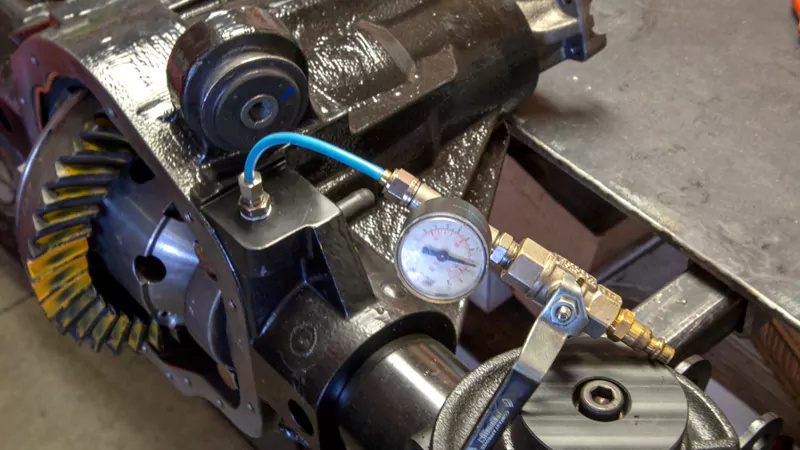
Air Lockers
In this article, we’ll break down how air lockers work, their advantages and disadvantages, practical use cases, and why they are essential for serious off-roaders and professional rigs.

How Air Lockers Work?

An air locker is a type of locking differential that uses compressed air to lock both wheels on an axle together. When the driver activates the locker via a switch, compressed air flows through lines into the differential mechanism, instantly locking the axle.
Unlike mechanical lockers that require half a wheel rotation to engage, or clutch-type limited-slip differentials (LSDs) that gradually transfer torque, air lockers respond immediately. This instant engagement ensures traction is available the moment it’s needed most, which can be crucial when a vehicle is teetering on rocks or navigating a slippery slope.
The system typically includes
  • Air compressor: Provides the necessary pressure
  • Air lines: Deliver compressed air to the differential
  • Control valves and switches: Allow the driver to engage or disengage the locker on demand
Without a functioning air system, the locker won’t engage, which underscores the importance of proper installation and maintenance.

Advantages of Air Lockers

1. Immediate Traction

The key benefit of air lockers is instant engagement. This split-second action can prevent wheel spin, loss of control, or vehicle rollovers. On extreme terrain, a half-turn delay—common in mechanical lockers—can be the difference between moving forward and being stuck.

2. Superior Performance in Extreme Conditions

Air lockers excel in rock crawling, mud bogging, sand dunes, and steep inclines. Both wheels on the axle receive equal torque, ensuring that the vehicle keeps moving even when one wheel loses traction.

3. Enhanced Vehicle Control and Safety

Instant traction translates to better handling and stability. Drivers can confidently navigate challenging terrain, knowing the locker will engage exactly when needed.

4. On-Demand Flexibility

Unlike full-time mechanical lockers, air lockers can be engaged or disengaged on the fly, reducing unnecessary stress on the drivetrain during normal driving.

Disadvantages of Air Lockers

1. System Complexity

Air lockers require a complete air system, which includes a compressor, air lines, and control valves. Installation is more complex than mechanical lockers or LSDs, and it requires space in the vehicle for components.

2. Additional Cost

The cost of purchasing and installing an air system can be significant. Maintenance and potential repairs also add to the long-term investment.

4. Limited On-Road Use

Air lockers are designed for off-road conditions. Engaging them on high-traction surfaces can cause driveline binding, which can be uncomfortable and potentially damaging. They are not intended for full-time on-road use.

Conclusion

For off-road enthusiasts and professional rigs, air lockers deliver unmatched on-demand traction. Their instant engagement can prevent vehicle rollovers, stuck situations, and loss of control in critical terrain. While they require a dedicated air system, the trade-off is minimal compared to the confidence, safety, and performance they provide.

XJXPARTS, as a manufacturer of high-quality limited-slip differentials and e-locker, air lockers, we specialize in designing and producing reliable traction solutions for extreme off-road conditions. Contact us today to explore our range of products and upgrade your vehicle’s drivetrain for maximum performance and safety.

Shopping Cart