
Traction is one of the most critical elements for any vehicle that ventures beyond smooth pavement. Whether you are tackling steep off-road trails, hauling heavy loads, or navigating icy roads, having the right differential locker can make the difference between smooth progress and being stuck in place. Among the most widely used locker systems are pneumatic lockers, elockers, and automatic lockers. Each has its own strengths, weaknesses, and ideal use cases.
This article takes a closer look at how these three systems compare, helping drivers and enthusiasts make an informed decision on which option best suits their needs.
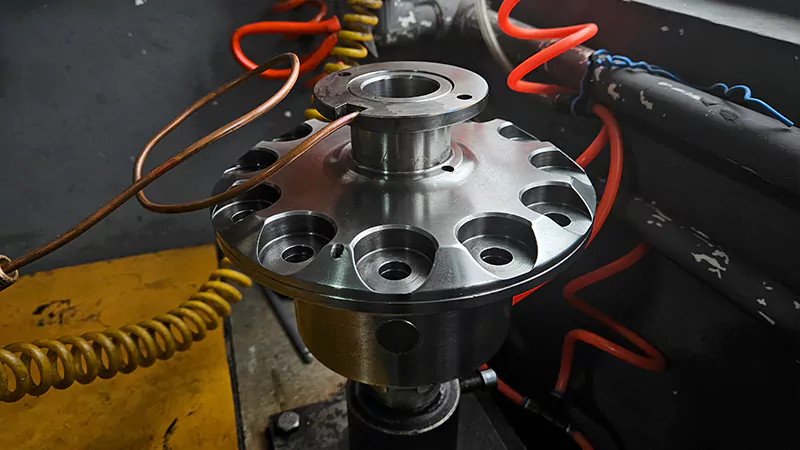
What Is a Differential Locker?
Before comparing locker types, it’s important to understand the role of a differential locker. A differential allows the wheels on the same axle to rotate at different speeds, which is essential for cornering smoothly. However, in off-road or slippery conditions, this can cause the wheel with the least traction to spin freely while the other remains stationary, wasting torque.
A differential locker solves this issue by mechanically binding the two wheels together, forcing them to rotate at the same speed. This ensures both wheels receive equal power, dramatically improving traction. How this locking is achieved depends on the system used—pneumatic, electric, or automatic.
Pneumatic Lockers
A pneumatic locker, often referred to as an air locker, operates using compressed air to engage and disengage the locking mechanism. The system requires an onboard air compressor, air lines, and a control switch inside the cabin. When activated, air pressure forces internal gears to lock the differential, ensuring equal power delivery to both wheels.
Advantages of Pneumatic Lockers
- Precise control: The driver decides when the locker engages or disengages.
- Strong engagement: Compressed air provides consistent and powerful locking.
- Versatility: The onboard compressor can also inflate tires or power air tools.
- Proven reliability: Popular in professional off-road racing and heavy-duty applications.
Disadvantages of Pneumatic Lockers
- Installation complexity: Requires routing air lines and fitting a compressor.
- Maintenance demands: Leaks or compressor issues can compromise reliability.
- Higher cost: More expensive than simpler locker systems.
Pneumatic lockers are favored by serious off-roaders and professionals who need maximum control and durability.
Electric Differential Lockers
An electric locker uses an electrically powered solenoid or actuator to lock the differential. Instead of air pressure, an electric signal engages the locking mechanism. These systems are generally easier to install compared to pneumatic lockers because they do not require air lines or compressors.
Advantages of ELockers
Simpler installation: No need for air compressors or extensive air lines.
Instant engagement: Electrical signals provide quick locking and unlocking.
Driver-controlled: The driver has full control over when the locker engages.
Lower maintenance: Fewer mechanical parts compared to pneumatic systems.
Disadvantages of ELockers
- Electrical vulnerability: Wiring issues, water exposure, or short circuits can affect reliability.
- Less robust under extreme loads: While strong, some models may not match the engagement force of pneumatic systems.
- Limited secondary use: No additional benefits like powering tools or inflating tires.
Electric lockers are a popular middle ground for enthusiasts who want control and reliability without the complexity of air systems.
Automatic Lockers
Automatic lockers engage automatically whenever traction differences are detected. These systems rely on internal mechanisms such as springs, clutches, or gears to determine when the differential should lock. The driver has no direct control over engagement—it happens whenever the system senses a loss of traction.
Advantages of Automatic Lockers
- Simplicity: No switches, air compressors, or wiring are needed.
- Cost-effective: Typically the most affordable locker option.
- Always active when needed: Engages without requiring driver input.
- Durable design: Simple mechanical construction reduces failure points.
Disadvantages of Automatic Lockers
Unpredictable engagement: Locking may occur at inconvenient times, such as during cornering.
Rough handling: Can cause jerks, clunks, or increased tire wear during normal driving.
No driver control: The system decides when to engage, not the driver.
Less refined: Not ideal for vehicles frequently used on highways.
Automatic lockers are commonly chosen by drivers seeking a budget-friendly option for off-road use but are less suited for mixed highway and off-road driving.
Comparison Table: Pneumatic vs. Electric vs. Automatic Lockers
| Feature | Pneumatic Locker | Electric Locker | Automatic Locker |
|---|---|---|---|
|
Engagement Method |
Compressed air |
Electric actuator |
Internal mechanical system |
|
Driver Control |
Full on/off |
Full on/off |
None |
|
Engagement Strength |
Very strong |
Strong |
Moderate |
|
Installation |
Complex |
Moderate |
Simple |
|
Maintenance |
Air system upkeep |
Electrical checks |
Minimal |
|
Cost |
High |
Moderate |
Low |
|
Best For |
Serious off-road, heavy-duty use |
Versatile off-road, mixed driving |
Budget users, light off-road |
This table highlights that each system has its own place depending on the driver’s priorities.
Key Factors to Consider When Choosing a Locker
Selecting the right differential locker for your vehicle depends on several important factors. Consider your driving style, vehicle usage, budget, and maintenance commitment. Pneumatic lockers offer unmatched control and durability for serious off-road use, while electric lockers provide reliable engagement with simpler installation. Automatic lockers are a cost-effective option for drivers who want improved traction without the complexity of advanced systems. Understanding these factors ensures you choose a locker that aligns with both your performance needs and everyday driving requirements.
Best Locker Types for Different Driving Scenarios
-
Off-Road Adventures: For frequent rock crawling, steep trails, or desert racing, a pneumatic locker provides instant and powerful engagement for maximum traction.
-
Work Vehicles: Utility trucks, agricultural machinery, and construction vehicles benefit from pneumatic or electric lockers, offering reliable traction under heavy loads and challenging terrain.
-
Daily Drivers with Occasional Trails: Vehicles primarily used for commuting but occasionally taken off-road are best suited to electric lockers, balancing smooth highway performance with dependable off-road traction.
-
Budget Builds: Cost-conscious drivers building trail rigs or modifying older vehicles may choose an automatic locker, improving traction without the higher costs of pneumatic or electric systems.
By combining these considerations and scenario-based recommendations, drivers can confidently select the locker system that meets both their everyday needs and off-road ambitions.
Conclusion
-
A pneumatic locker offers the highest level of control and performance, making it the top choice for serious off-roaders and heavy-duty users.
-
An electric locker provides reliable engagement with easier installation, making it ideal for drivers who want both convenience and off-road capability.
-
An automatic locker remains the most affordable solution, best suited for budget-conscious users who want improved traction without additional controls.
By weighing these factors carefully, you can select the locker system that not only enhances your vehicle’s performance but also matches your lifestyle and driving demands.
