
Modifying a 4WD vehicle is something almost every off-road enthusiast gets into eventually. But it’s also a journey filled with pitfalls. Based on personal experience and observations, here are 10 of the most common mistakes people make when modifying their 4x4s. Hopefully, this guide helps you avoid unnecessary expenses and setbacks.
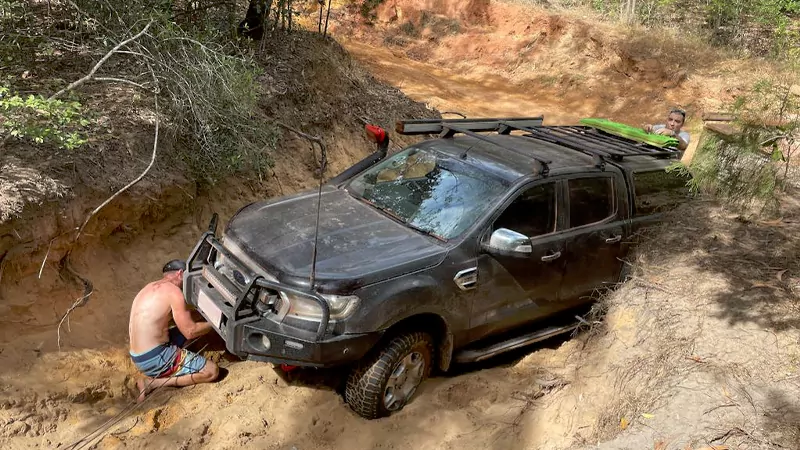
1. Buying the Vehicle or Parts Before Understanding Your Real Needs
One of the biggest mistakes is jumping into buying a 4WD or modification parts before clearly understanding your actual needs. For instance, if your 4WD will mostly be used as a daily driver and only occasionally go off-road, purchasing a two-door pickup isn’t practical—it’s money wasted.
Similar logic applies to deciding between a 2-inch lift versus a 4-inch, or choosing between 33-inch and 35-inch tires. The real question is: What are you modifying for? Rock crawling? Weekend camping? Once you know the answer, the choices become clear.
Likewise, deciding between a petrol or diesel engine should also depend on your usage. If you’re planning remote long-distance overlanding, petrol vehicles—especially those requiring 98-octane fuel like newer Nissan Patrols—can be a problem in areas with limited fuel options. Diesel is far more practical for remote travel.
Know your needs before choosing your vehicle and gear. That’s how you avoid wasted money.
2. Installing Modifications in the Wrong Order
Not planning your modification sequence can lead to repeated labor costs and wasted time. For example, if your bull bar and winch are designed to be installed together but you fit the bar first, you’ll have to remove it later to install the winch. That’s extra labor and money.
Another common case: people rush to lift their suspension and mount larger tires before adding heavy components like a winch, bull bar, fuel tank, or rear drawer system. All that added weight compresses your suspension and cancels out your lift. If the springs weren’t rated for the added weight, you’ll need to go back and replace them—wasting both parts and labor.
Make a checklist, plan the installation order, and follow a logical sequence to save yourself trouble.
3. Failing to Use Matching or Compatible Components
Upgrading only one part of the suspension system can lead to mismatched performance or even damage. For example, if you upgrade your leaf springs to carry more weight but don’t replace the shackles or shock absorbers with heavy-duty versions, your performance may suffer.
The same applies to coil springs—lifting the front end without installing longer shocks means you’re running incompatible components. In extreme cases, you could blow a shock absorber.
Also, brands matter—mixing different brands (e.g., ARB leaf springs with TJM shocks) is risky because most manufacturers design their suspension systems to work best as a matched set. Buying a complete kit ensures optimal performance and reliability.
4. Bigger Isn’t Always Better
Many assume that bigger tires or higher lifts automatically mean better off-road performance. But oversized tires and extreme suspension lifts can seriously compromise on-road handling and safety.
Unless you’re into hardcore rock crawling or mudding every weekend, running 35″ or 37″ tires with a 4–5 inch lift could make your 4WD unstable and difficult to handle on pavement. You’ll experience poor steering response, longer braking distances, and more wear and tear.
Choose modifications that suit your use case—not just what looks tough.
5. Chasing the “Perfect Build” That Doesn’t Exist
Some owners aim to build the perfect all-in-one vehicle—but perfection is unattainable. Every modification is a trade-off.
Boosting off-road performance often reduces on-road comfort. Improving load-carrying capacity may make the vehicle feel stiffer. Obsessing over tiny imperfections and spending excessive time and money fixing minor issues is rarely worth it.
Accept that every build has limitations. Leave room for a little imperfection—that’s part of the journey.
6. Using Cheap Parts in Critical Areas
Trying to save money by buying cheap or unbranded components for critical systems like suspension, driveline, or engine accessories can cost you more in the long run.
A low-quality shock absorber might not last even half as long as the OEM part. In many cases, factory parts outperform poorly engineered aftermarket alternatives.
Stick to reputable brands for mission-critical components—like your transfer case, suspension system, or engine protection gear. Yes, they cost more upfront, but they’ll keep your vehicle reliable, safe, and capable.
7. Overspending on Non-Essential Accessories
Just as some people underspend on critical parts, others go overboard buying name-brand everything—even for basic accessories.
Air compressors, deflators, tow straps, and shackles from lesser-known brands often perform just as well as premium ones, provided they meet minimum safety and quality standards.
For example, I personally use a budget air compressor that cost less than $50 and has worked perfectly for over five years. Don’t feel pressured to buy a premium brand for every single component. Save your budget for where it really counts.
8. Ignoring the Ripple Effects of Modifications
Every change you make affects the vehicle in other ways. Larger tires throw off your speedometer, reduce power, and may require re-gearing your differential to restore drivability.
These secondary upgrades can be expensive, especially if you didn’t anticipate them. If you’re not aware of the domino effect of each mod, you might find yourself trapped in a costly cycle of catch-up upgrades.
Always consider the side effects of each upgrade. Think through the full system before making changes.
9. Not Considering Legal Requirements
Vehicle modification laws vary widely depending on where you live. Some regions have strict regulations on lift height, tire size, lighting, and bumper design, while others are more lenient.
Before modifying your vehicle, check your local transport authority’s rules. In many countries, certain modifications must be inspected and certified before you’re legally allowed to drive on public roads.
Play it safe—know the laws, and get proper certification if needed. It’s not just about legality—it’s about protecting yourself and others on the road.
10. Overloading the Vehicle Beyond Its GVM
Most 4WDs gain a lot of weight after modifications—winches, steel bumpers, long-range tanks, drawers, and roof racks all add up. Exceeding your vehicle’s GVM (Gross Vehicle Mass) leads to poor braking, reduced handling, and increased mechanical wear.
Some vehicles are especially easy to overload. Once you go over the legal weight limit, you’re no longer road-legal and you risk long-term damage.
If your build requires going over GVM, invest in a certified GVM upgrade. This ensures safety, legality, and mechanical integrity for the long term.
Conclusion
These 10 mistakes are some of the most common traps 4WD owners fall into when modifying their rigs. Modding a vehicle is an ongoing process—you learn as you go.
Rather than chasing the ultimate build from day one, take your time, start with your needs, make informed decisions, and enjoy the process. The real goal is to create a 4WD that works for you, not just looks good.
