
Air lockers are essential for off-road vehicles tackling tough terrains. By locking the differential, they ensure equal torque distribution to both wheels, giving you superior traction when you need it most. But like any precision component, air lockers require regular maintenance to stay reliable and effective.
This guide walks you through everything you need to know about maintaining an air locker—regardless of the brand. Whether you’re a weekend trail warrior or a full-time overlander, these practices will help extend the life of your system and prevent failures in critical moments.
Understanding How an Air Locker Works
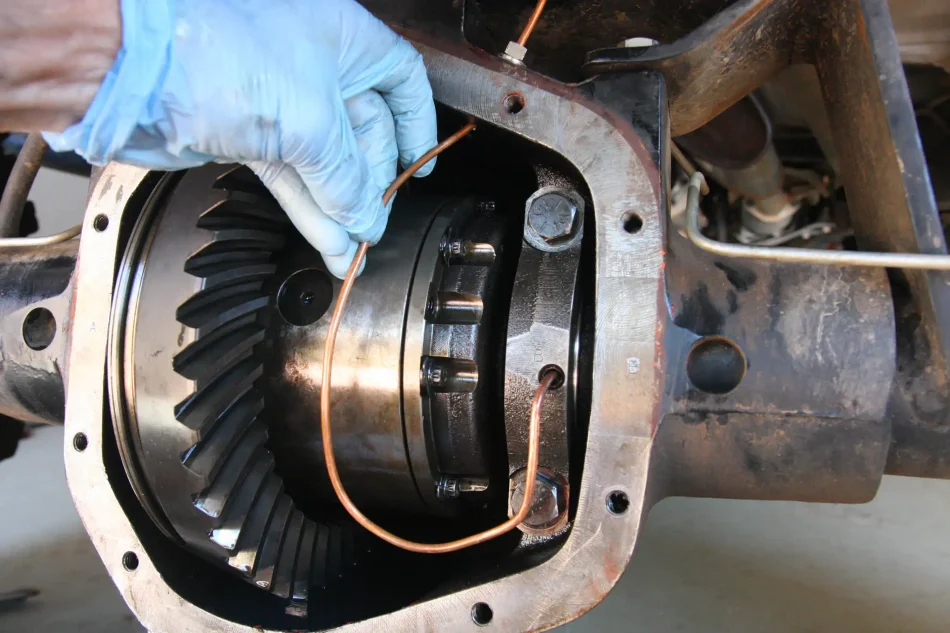
Before jumping into maintenance, it’s helpful to understand the basics of how air lockers function. An air locker uses compressed air to engage a locking mechanism inside the differential. This air is typically supplied by an onboard compressor and delivered through a series of air lines and fittings. When engaged, the locker forces both axle shafts to rotate at the same speed, effectively turning your differential into a spool for maximum traction.
Key components:
Compressor: Supplies the air pressure.
Air Lines and Fittings: Deliver air to the locker.
Differential Locker Mechanism: Engages or disengages based on air pressure.
Control Switch and Wiring: Activates the system from inside the vehicle.
Routine Inspection and Maintenance Checklist
1. Air Supply System
A properly functioning compressor is the backbone of your air locker. If it underperforms or fails, the locker won’t engage when needed.
Check compressor output: Listen for strange noises or signs of overheating.
Clean air filters: Dirty filters reduce airflow and strain the compressor.
Inspect compressor mounts and wiring: Look for signs of corrosion, vibration, or damage.
2. Air Lines and Fittings
Air lines are susceptible to wear, especially when exposed to rocks, debris, or extreme temperatures.
Look for cracks or abrasions on air lines.
Use soapy water to test for leaks at fittings.
Secure all lines using brackets or zip ties to prevent movement and chafing.

3. Differential Housing and Locker Mechanism
This is where air pressure meets mechanical action. Keeping it clean and leak-free is vital.
Inspect the housing for oil leaks or residue around the seals.
Listen for unusual noises when engaging or disengaging the locker.
Check for smooth engagement during use; any hesitation could signal internal wear or contamination.
4. Electrical Components
Most air lockers use an in-cabin switch and a relay system to power the compressor.
Check the switch and relay for corrosion or loose connections.
Test for consistent power supply from battery to locker.
Inspect all grounding points to ensure a complete electrical circuit.
5. Differential Fluid
Lubrication keeps your locker running smoothly and prevents wear on gears and seals.
Change differential oil after every major off-road trip or water crossing.
Look for discoloration or metal shavings in the oil—these are signs of contamination or gear wear.
Top off the oil to recommended levels if it appears low.
Suggested Maintenance Intervals
There’s no one-size-fits-all, but here’s a practical guideline for general use:
After Every Off-Road Trip
Inspect air lines for cuts or wear
Check compressor performance
Clean any exposed components
Replace differential oil if water submersion occurred
Every 6 Months
Cycle the locker to prevent corrosion and internal sticking
Tighten air line fittings
Check wiring connections and solenoid action
Confirm no unusual noise during engagement
Every 10,000 to 20,000 km (or 6,000–12,000 miles)
Change differential oil
Inspect air filter on the compressor
Inspect seals for leaks
Conduct full functional test
Annually or During Overhauls
Remove differential cover for full visual inspection
Clean locker internals if mud or debris is suspected
Replace worn seals, O-rings, or damaged air lines
Pressure test the air system end-to-end
Adapt these timelines to your terrain and usage. Frequent deep-water crossings, heavy towing, or aggressive terrain demands more frequent attention.
Diagnosing Common Problems
Even with regular maintenance, issues can occur. Identifying symptoms early can save you from getting stranded.
Locker Doesn’t Engage
Air pressure too low: Compressor not building enough PSI
Leaky lines or fittings: Air escaping before it reaches the locker
Electrical fault: Blown fuse, failed switch, or damaged relay
Continuous Air Compressor Operation
Leaking somewhere: Check entire system for escaping pressure
Faulty pressure switch: Fails to shut off even when tank is full
Noisy Operation
Clicks or grinding: Internal wear, chipped teeth, or improper engagement
Delayed engagement: Sticky parts or air restriction
Oil Leakage
From seals: Indicates pressure imbalance or worn-out rubber components
From vent: Possibly overfilled or vent line blocked
Best Practices to Extend Locker Life
Use lockers before needed: Engage them proactively before entering tough obstacles, not during wheelspin.
Avoid long high-speed use while locked: They’re meant for traction, not for pavement or high-speed trails.
Keep air lines short and secure: The less line, the less chance of a problem.
Log your maintenance: Track oil changes, repairs, and inspections for pattern recognition.
Preventive care isn’t just about performance. It’s about protecting your investment and ensuring safety.
Final Thoughts
Air lockers are rugged, but they’re not maintenance-free. A small air leak, dirty oil, or neglected connection can render your system useless when you need it most. Fortunately, maintenance doesn’t require specialized tools—just attention, consistency, and a bit of mechanical awareness.
Stay ahead of problems. Know your system. Listen to the sounds it makes and the signs it gives. Whether you’re crawling over granite or slogging through wet clay, a well-maintained air locker gives you the confidence to take the hard line and get home without a tow.
