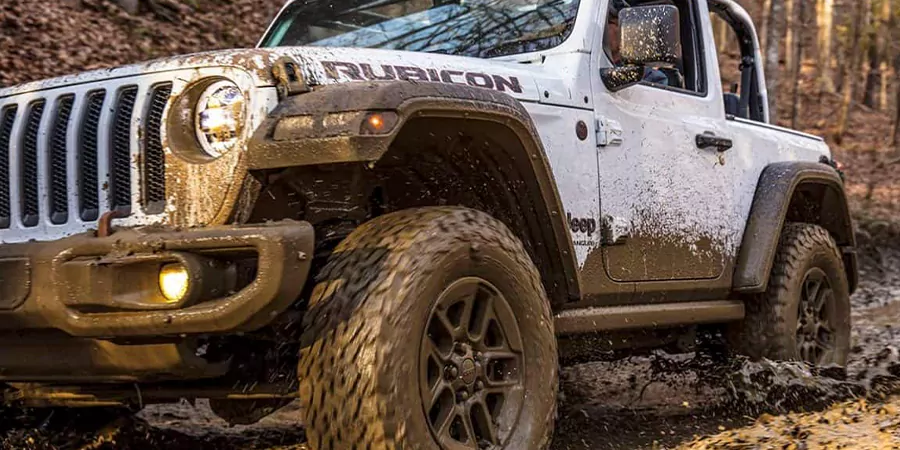
Understanding the Different Types of Four-Wheel Drive Systems

Four Wheel Drive Systems
Four-wheel-drive (4WD) systems are designed to provide better traction and control, especially in off-road conditions. Understanding the different types of 4WD systems is essential for choosing the right vehicle for your needs and maximizing its performance. This article explores the various 4WD systems, their features, and their advantages.

All-Wheel Drive (AWD)

All-Wheel Drive (AWD) systems are designed to provide power to all four wheels continuously. These systems are often found in crossovers and SUVs and are suitable for both on-road and light off-road conditions.

All-Wheel Drive (AWD) systems are designed to provide power to all four wheels continuously. These systems are often found in crossovers and SUVs and are suitable for both on-road and light off-road conditions.

AWD systems offer improved traction on slippery surfaces like snow and rain. They provide better handling and stability on various road conditions without requiring driver intervention. AWD systems are typically less capable in extreme off-road conditions compared to more robust 4WD systems. They can also be less fuel-efficient due to the continuous engagement of all four wheels.

Part-Time Four-Wheel Drive (4WD)

Part-Time 4WD systems allow the driver to switch between two-wheel drive (2WD) and four-wheel drive (4WD) modes. These systems are commonly found in trucks and SUVs designed for off-road use.

In normal driving conditions, the vehicle operates in 2WD mode, usually powering the rear wheels. The driver can engage 4WD mode when additional traction is needed, typically using a lever or electronic switch.
Part-time 4WD systems offer better fuel efficiency in 2WD mode and enhanced off-road capabilities in 4WD mode. They are simpler and often more durable for heavy-duty use. Engaging 4WD on dry, paved roads can cause driveline binding and excessive wear. These systems require driver intervention to switch between modes.

Full-Time Four-Wheel Drive (4WD)

Full-Time 4WD systems provide power to all four wheels at all times. Unlike AWD, these systems are designed for more demanding off-road conditions and provide better control in challenging terrains.

Full-time 4WD systems use a central differential, often with a locking mechanism, to allow for differences in wheel speed between the front and rear axles.
These systems offer constant traction and improved stability, making them suitable for both on-road and off-road driving. The locking differential provides additional traction in extreme conditions. Full-time 4WD systems can be less fuel-efficient due to the continuous operation of all four wheels. They are also more complex and can be more expensive to maintain.

Automatic Four-Wheel Drive (4WD)

Automatic 4WD systems, also known as on-demand 4WD, automatically switch between 2WD and 4WD modes based on driving conditions. These systems are designed for drivers who want the benefits of 4WD without manual intervention.

Sensors monitor road conditions and wheel slippage. When the system detects a loss of traction, it automatically engages 4WD to improve stability and control.
Automatic 4WD systems provide the convenience of automatic engagement, improving safety and handling in varying conditions. They offer a balance between efficiency and capability. These systems can be more complex and expensive. The automatic switching may not be as immediate or predictable as manually controlled systems.

Low-Range Four-Wheel Drive (4x4)

Low-Range 4WD systems are designed for extreme off-road conditions where maximum torque and control are required. These systems are commonly found in dedicated off-road vehicles.

In addition to the standard 4WD mode, low-range 4WD systems include a low-range gearbox that provides extra torque at lower speeds. This is activated by a separate gear lever or switch.
Low-range 4WD systems offer exceptional torque and control for tackling steep inclines, deep mud, and rocky terrain. They are essential for serious off-road enthusiasts. These systems are typically used only in extreme conditions and can be overkill for regular driving. Engaging low-range mode requires manual intervention and understanding of the system.

Conclusion

Understanding the different types of four-wheel-drive systems helps you choose the right vehicle for your needs and maximize its performance. Whether you need the convenience of AWD for daily driving, the robustness of part-time 4WD for occasional off-road adventures, or the extreme capability of low-range 4WD for serious off-roading, each system offers unique advantages and is designed to meet specific driving demands. By knowing the features and benefits of each 4WD system, you can make an informed decision and enjoy a safer, more enjoyable driving experience.
Shopping Cart